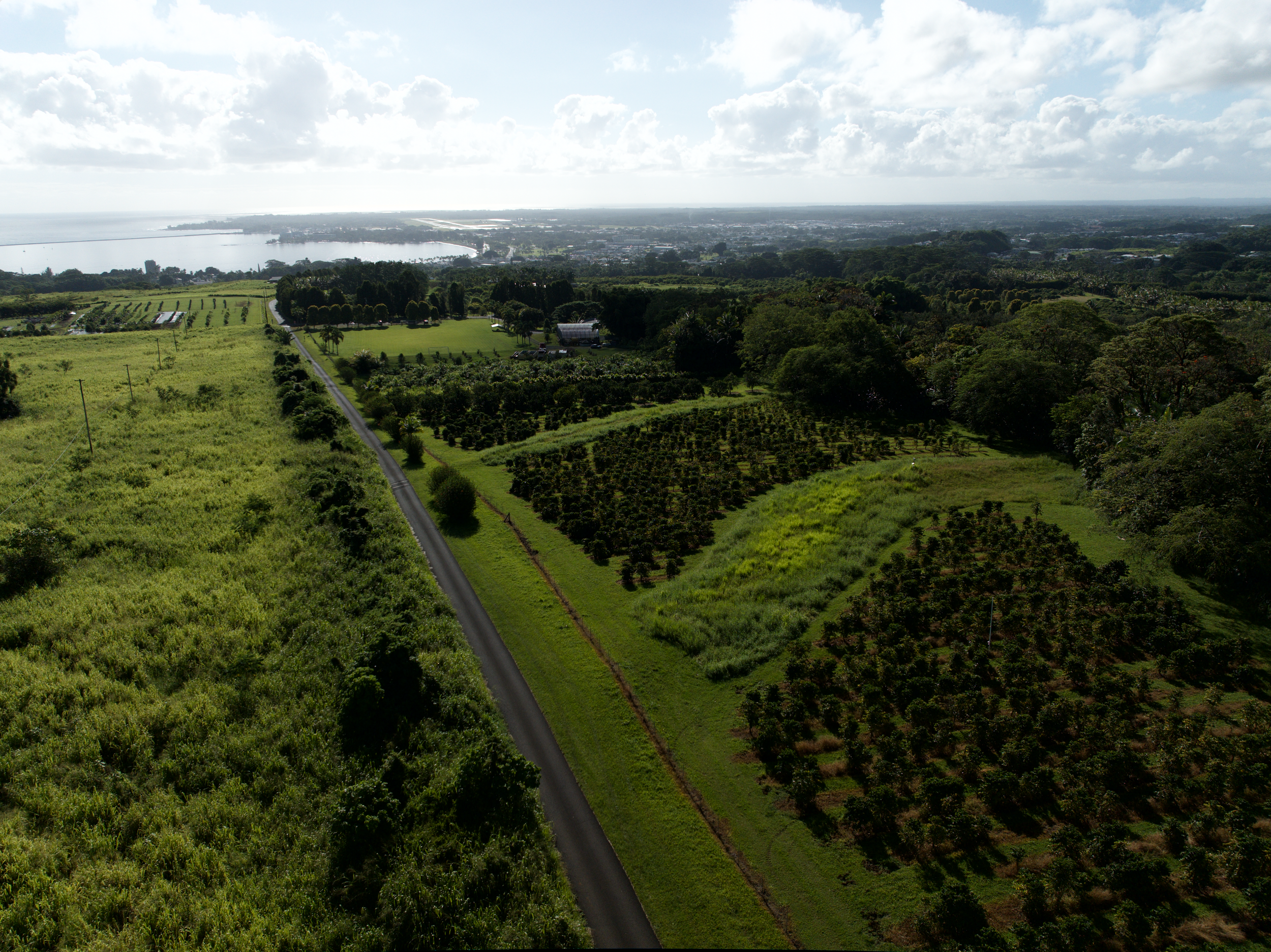
Our mission is to support the growth of Hawaiʻi agriculture.
The Synergistic Hawaiʻi Agriculture Council (SHAC) is a State of Hawaiʻi nonprofit organization formed to unify and strengthen the state’s agricultural industries through collaboration, research, and strategic market development.
In 2011, Hawaiʻi’s agricultural leaders recognized the need for a unified effort to compete in global markets and secure federal funding.
SHAC was formed as a consortium of key statewide associations to collectively pursue funding opportunities, support industry-wide challenges, and expand access to international markets.
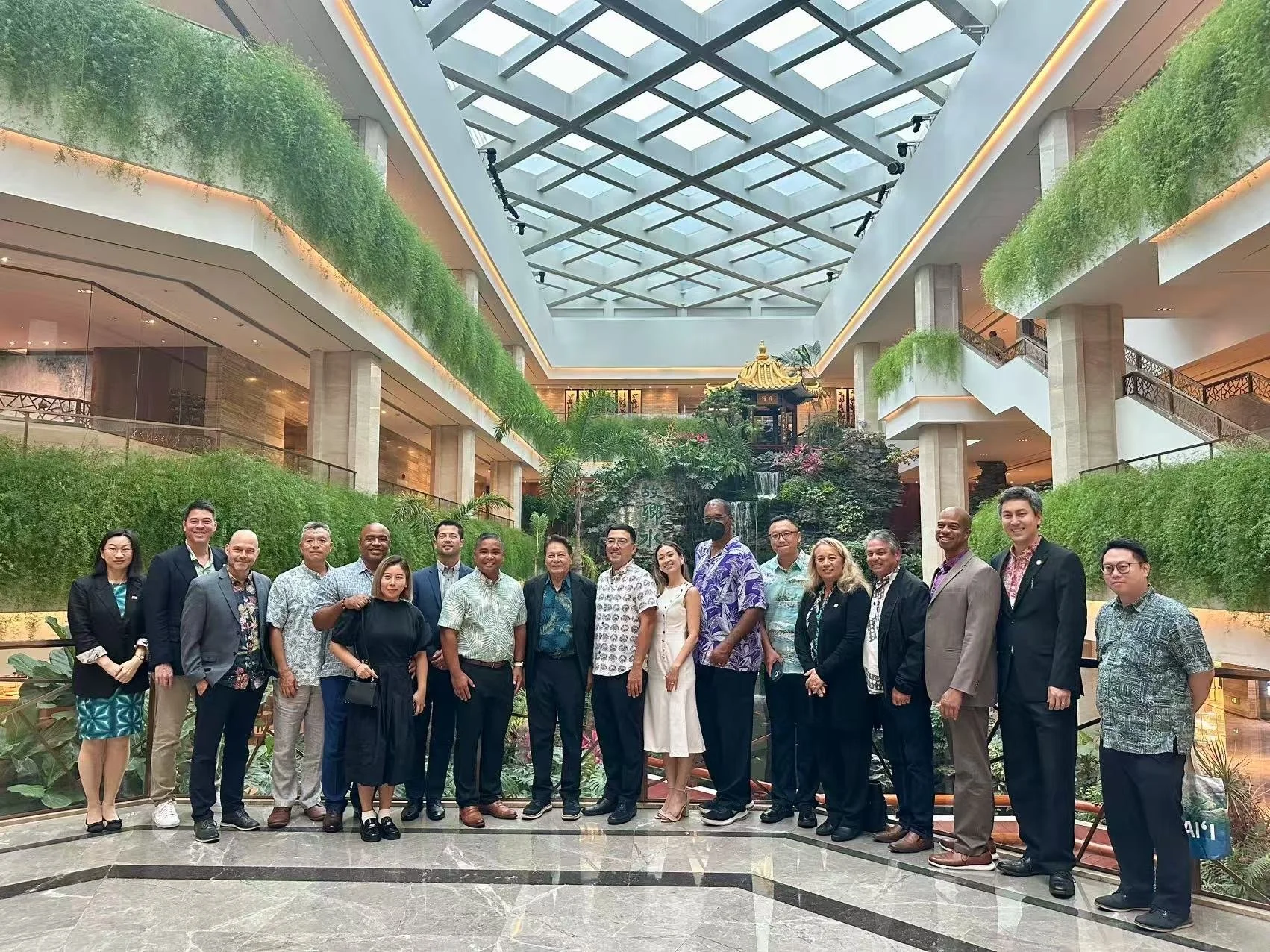
SHAC brings together organizations representing the majority of Hawaiʻi’s agricultural production across multiple sectors, including:
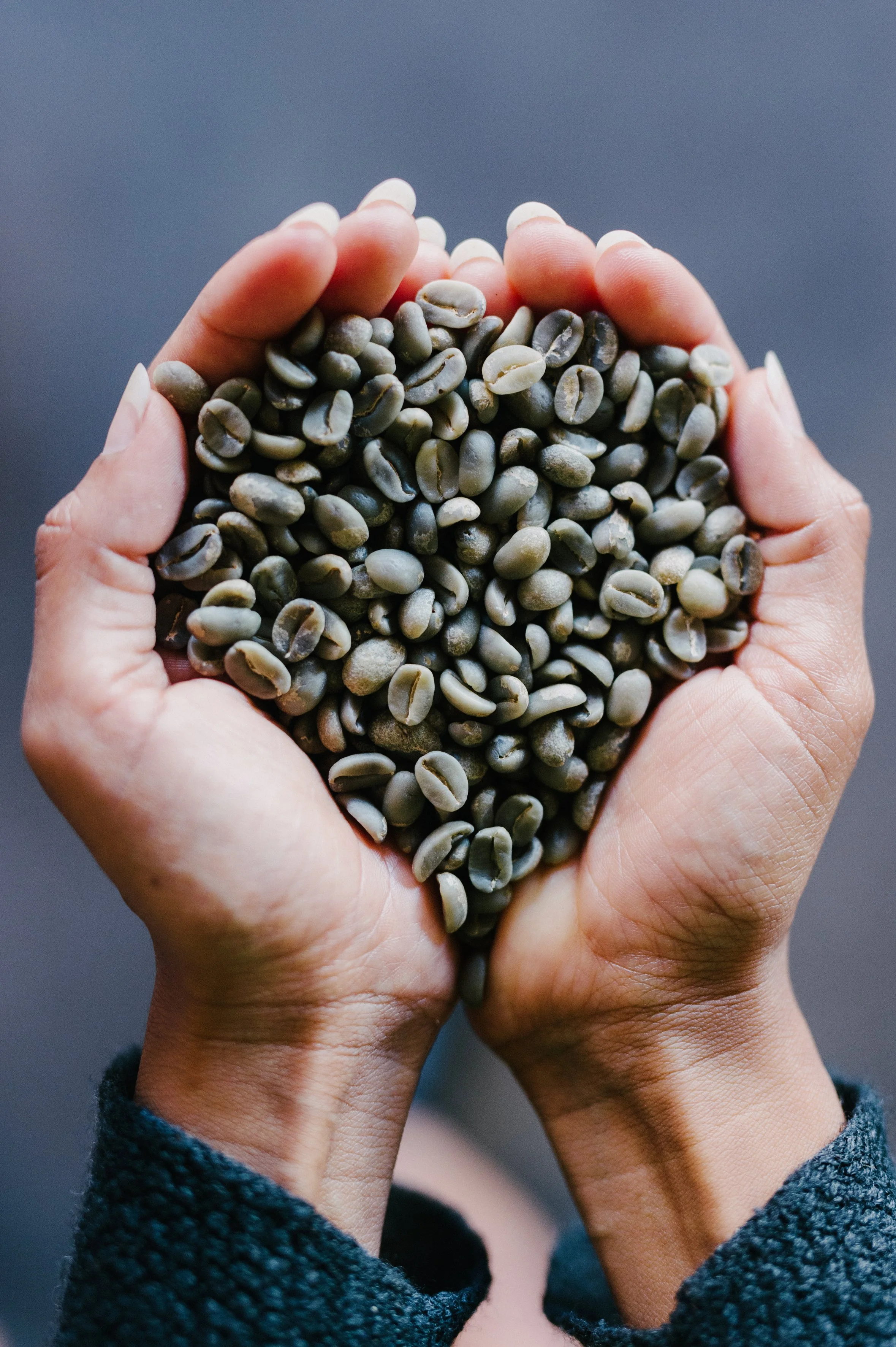
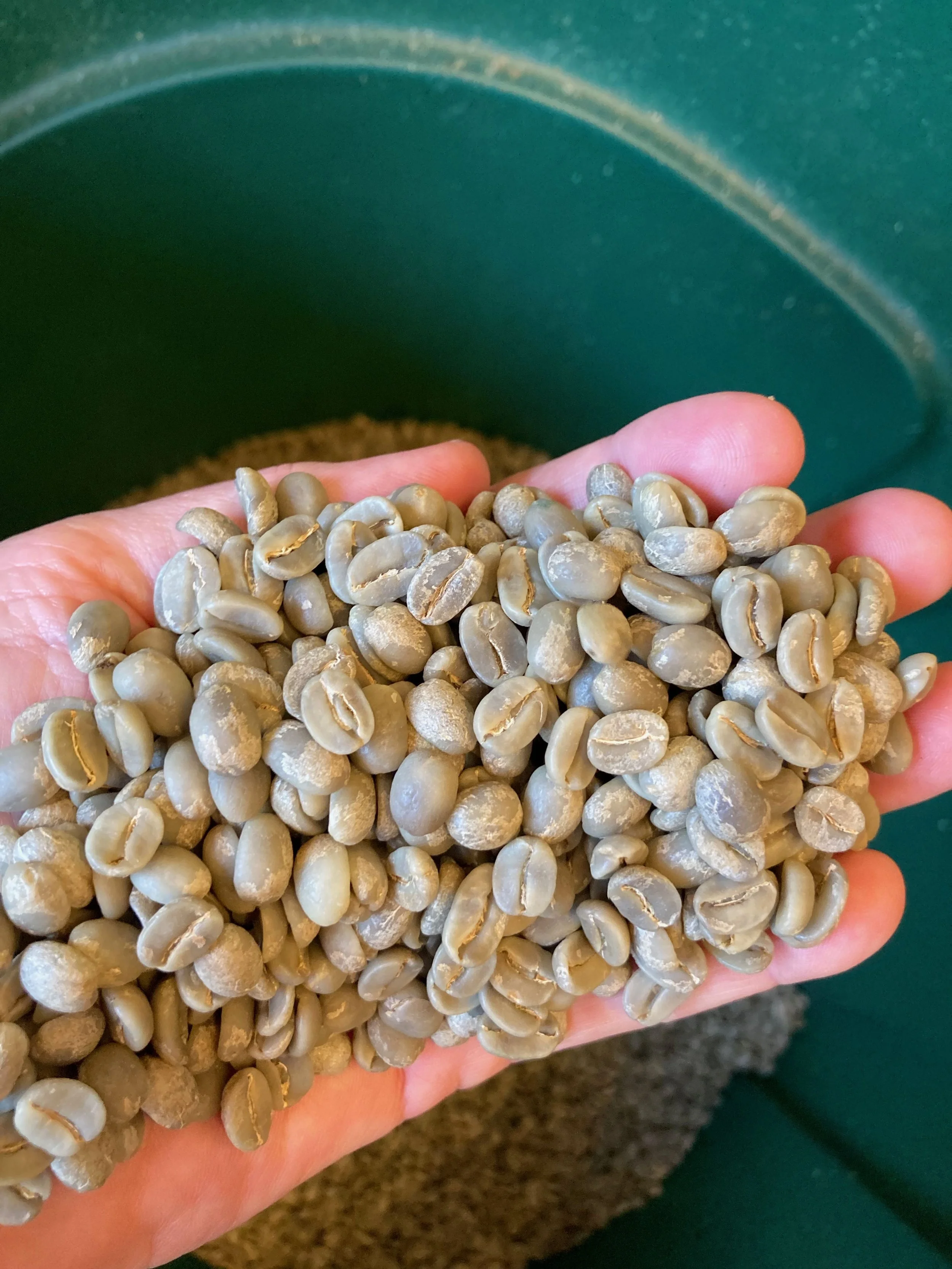
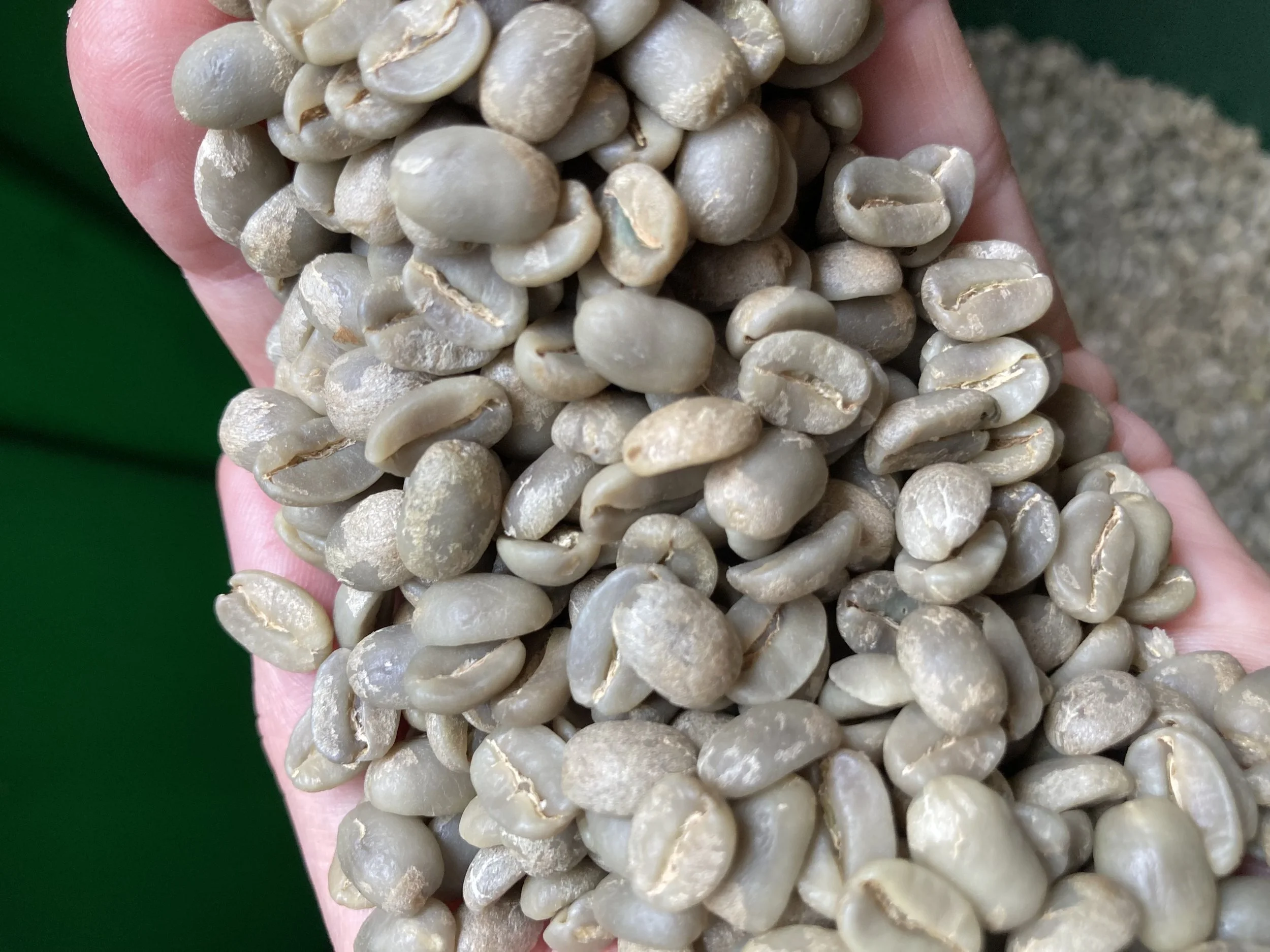
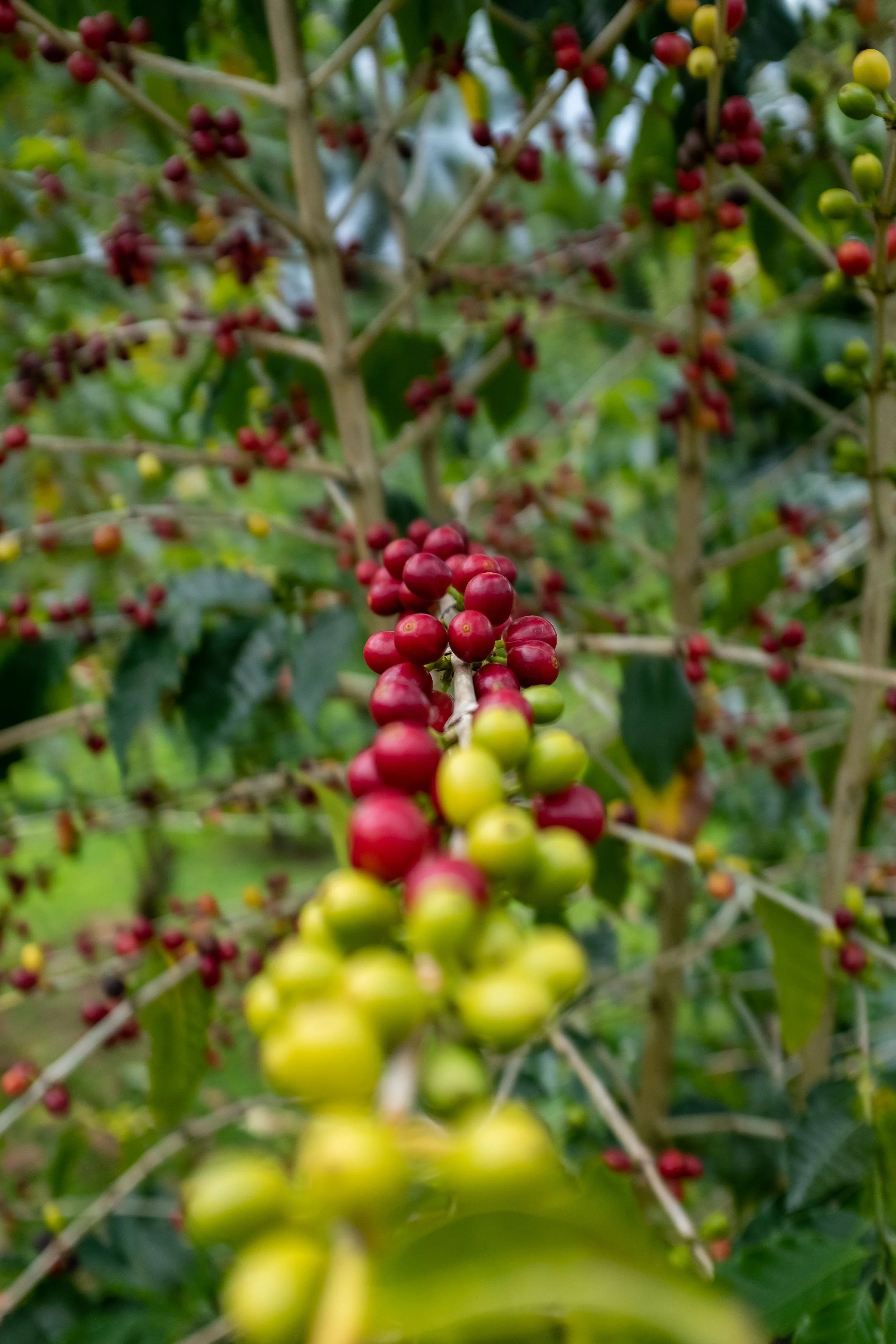
Coffee
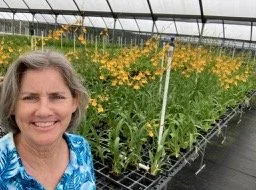
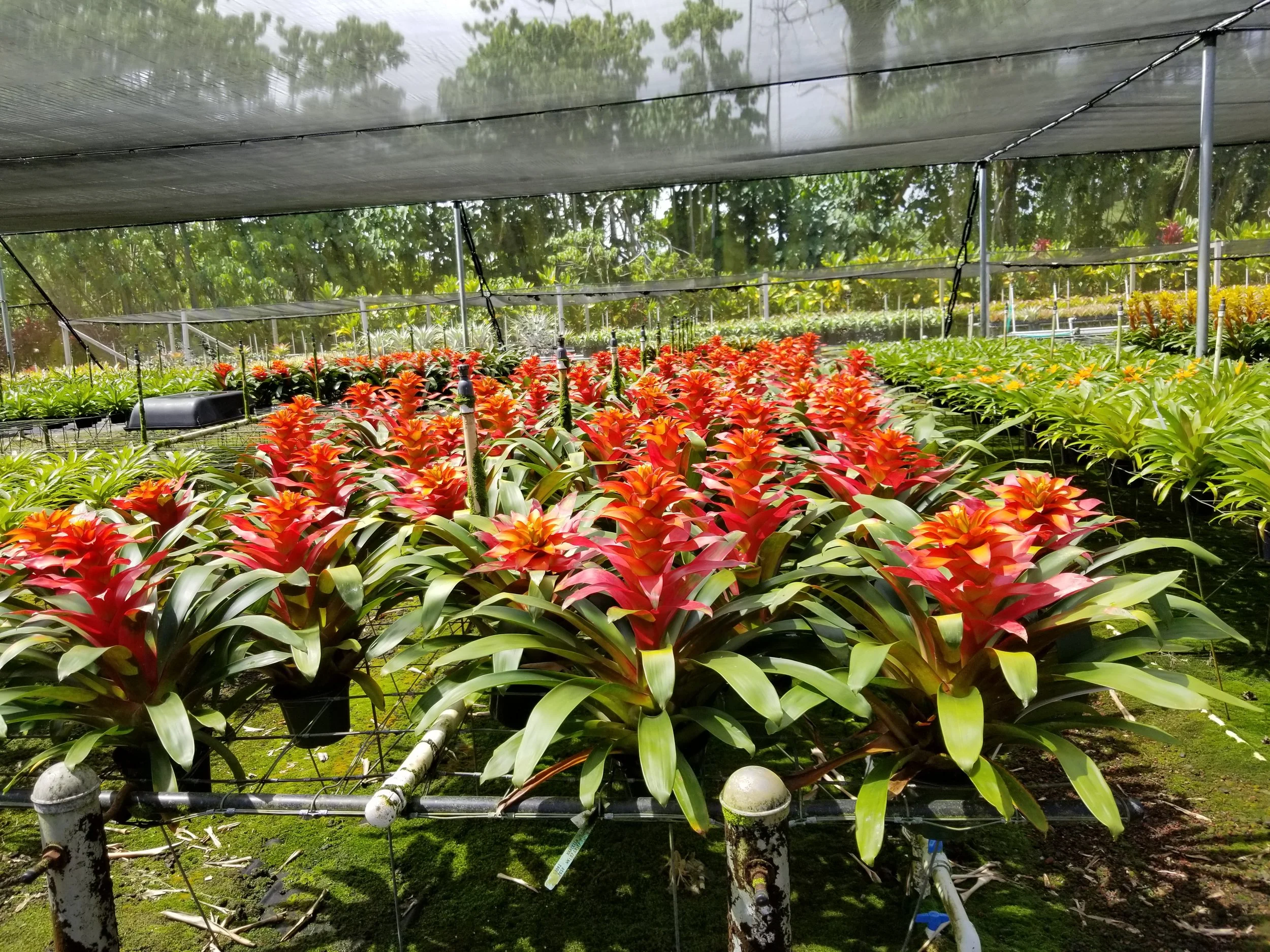
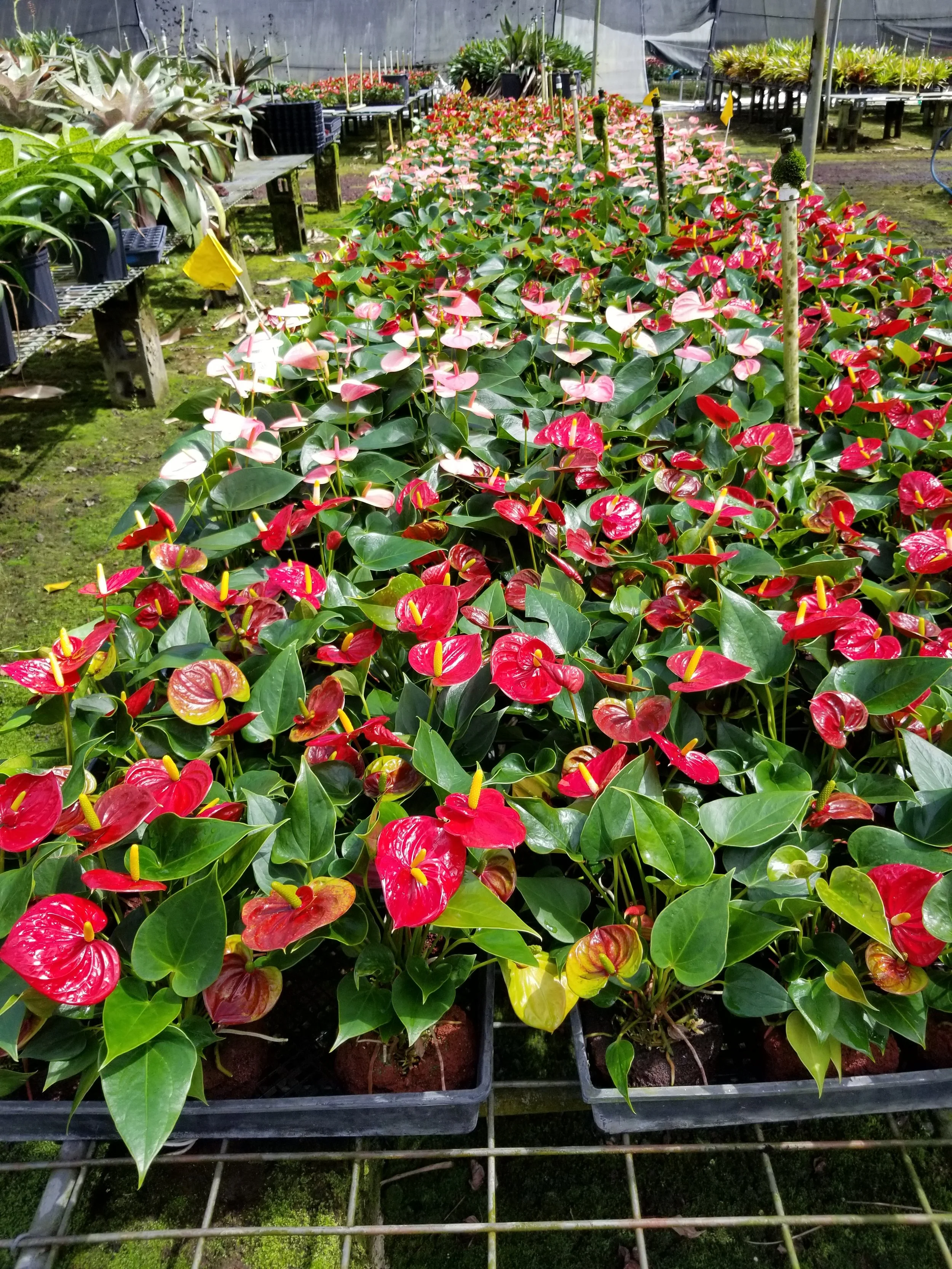
Floriculture & Nursery
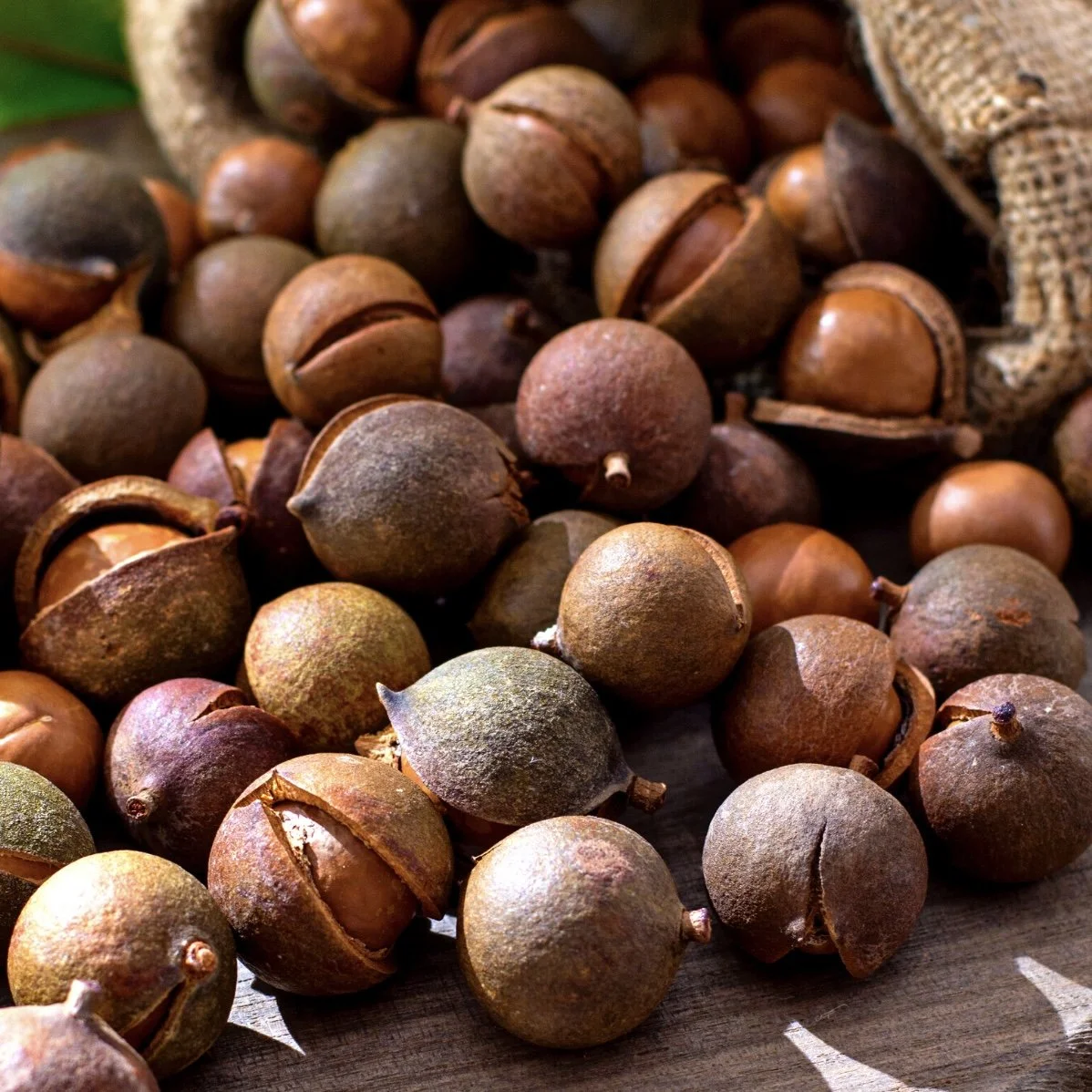
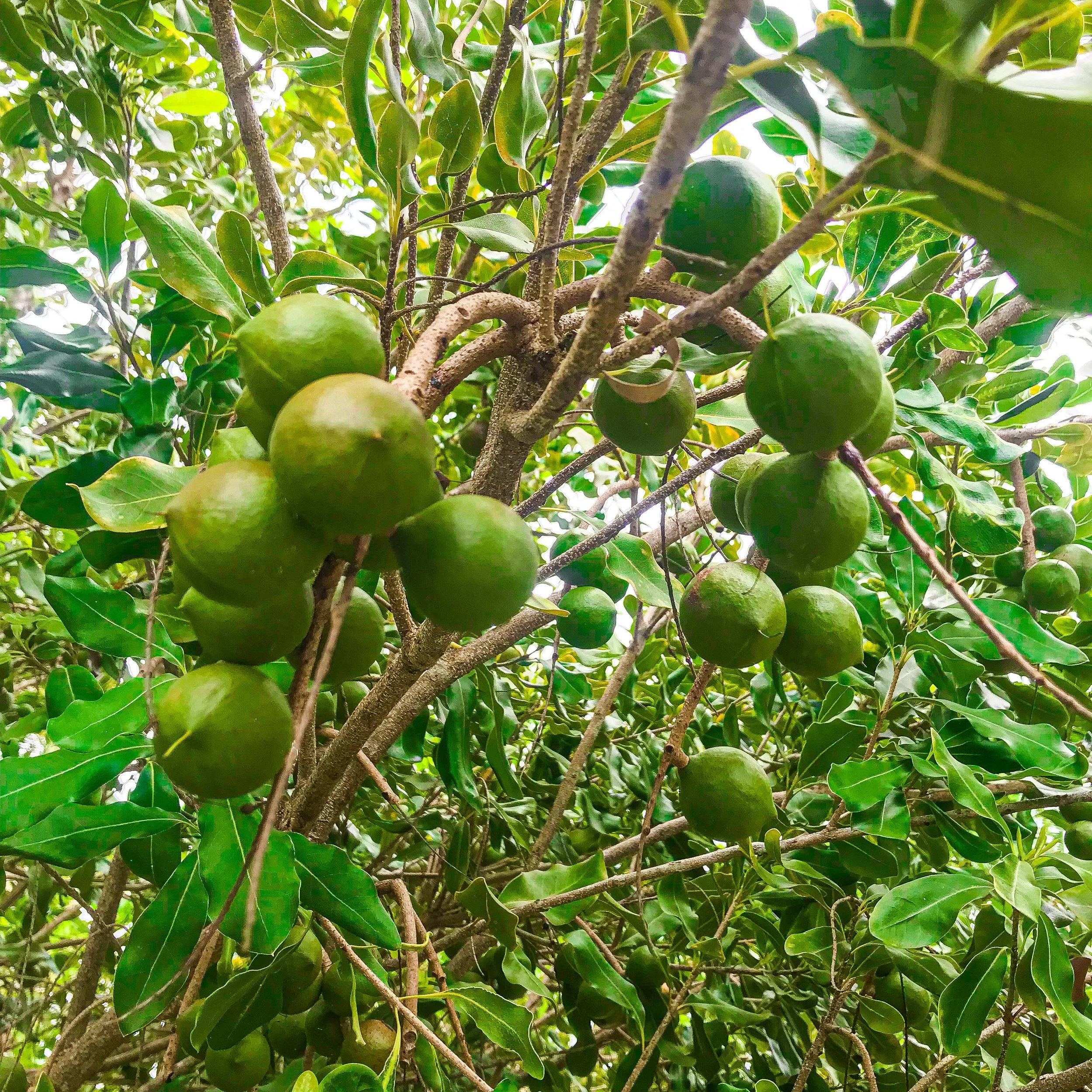
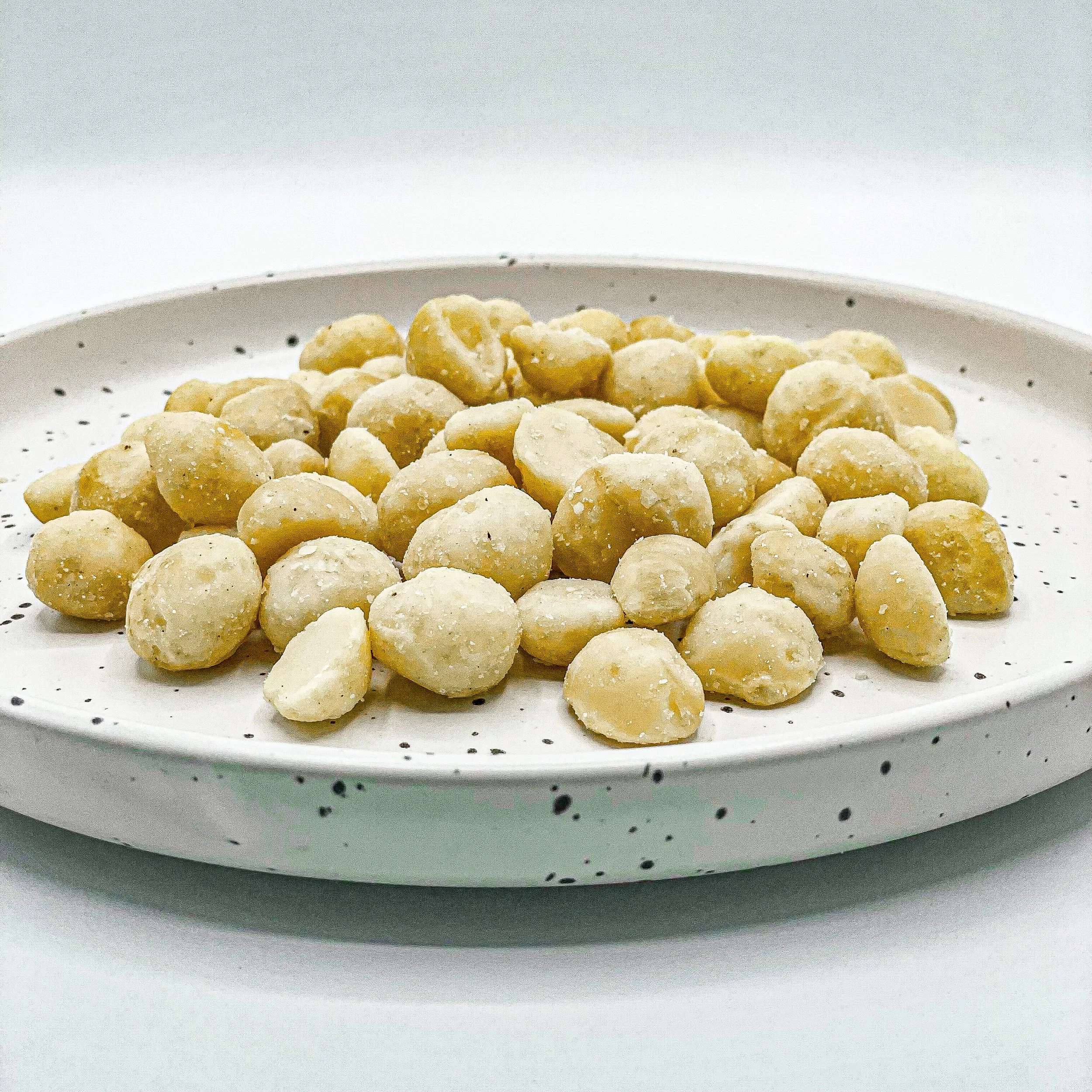
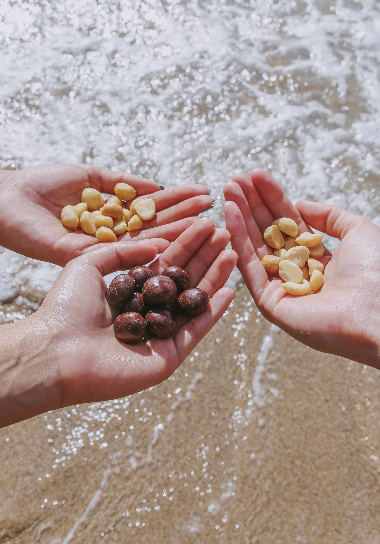
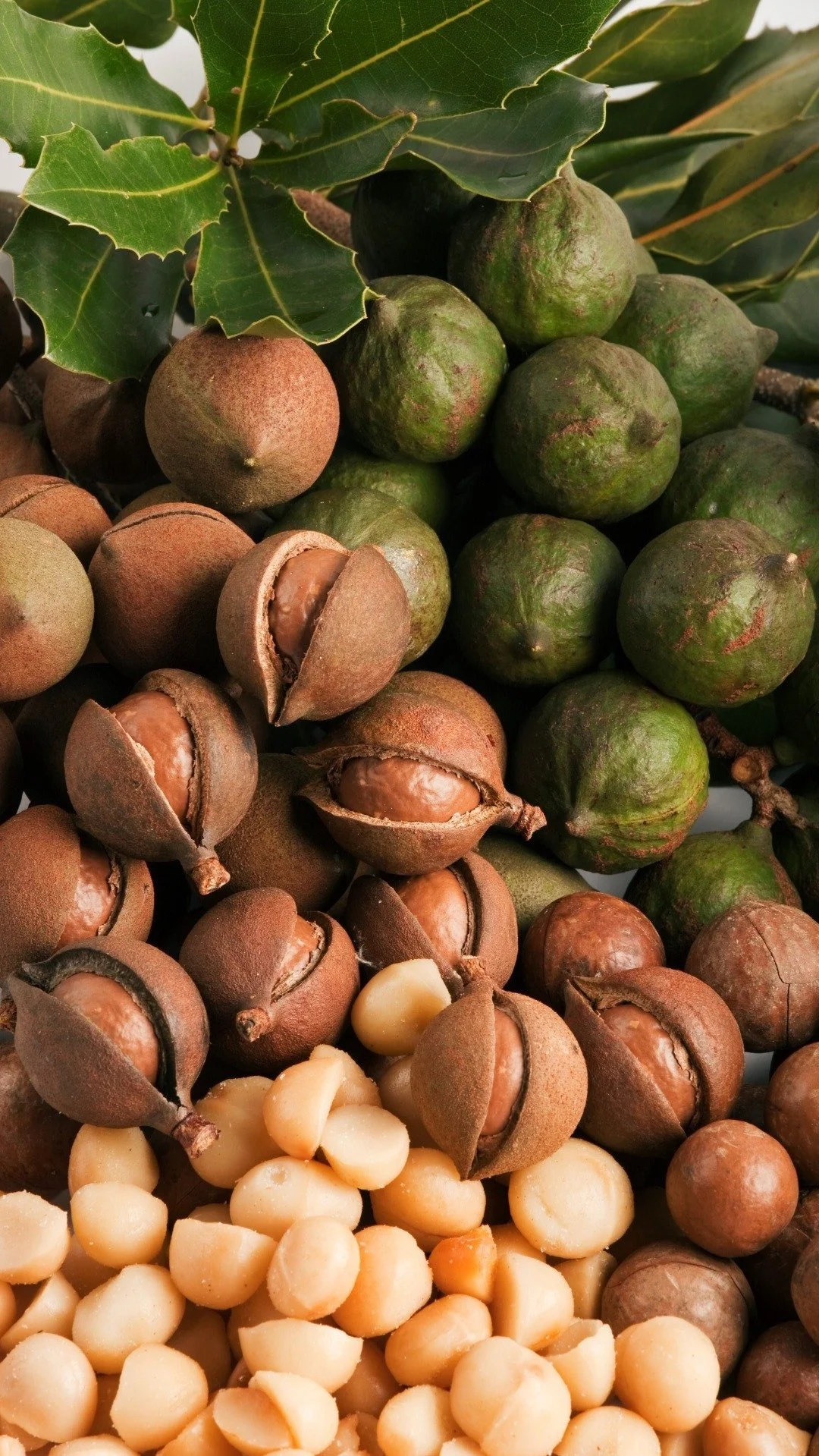
Macadamia Nuts
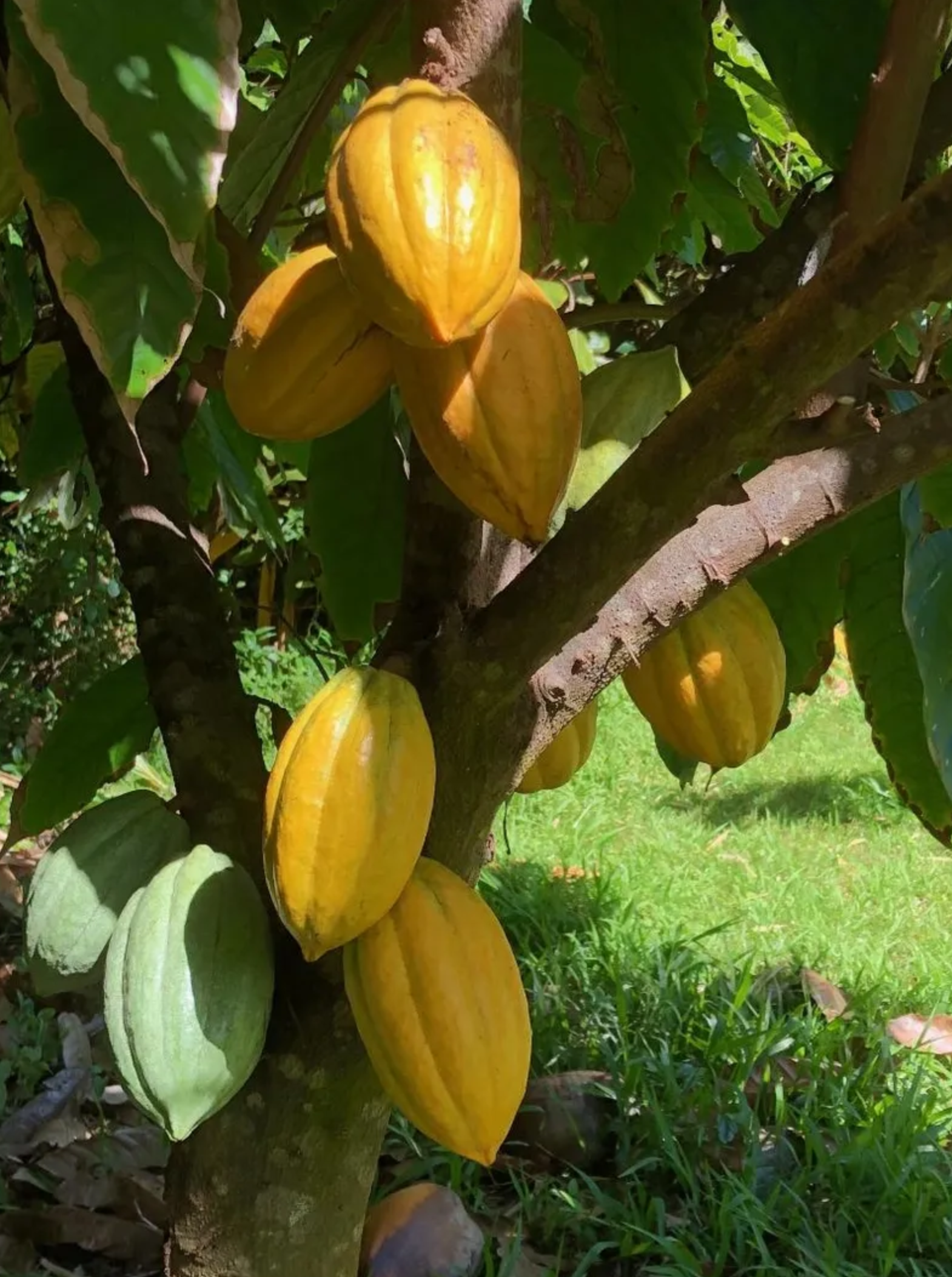
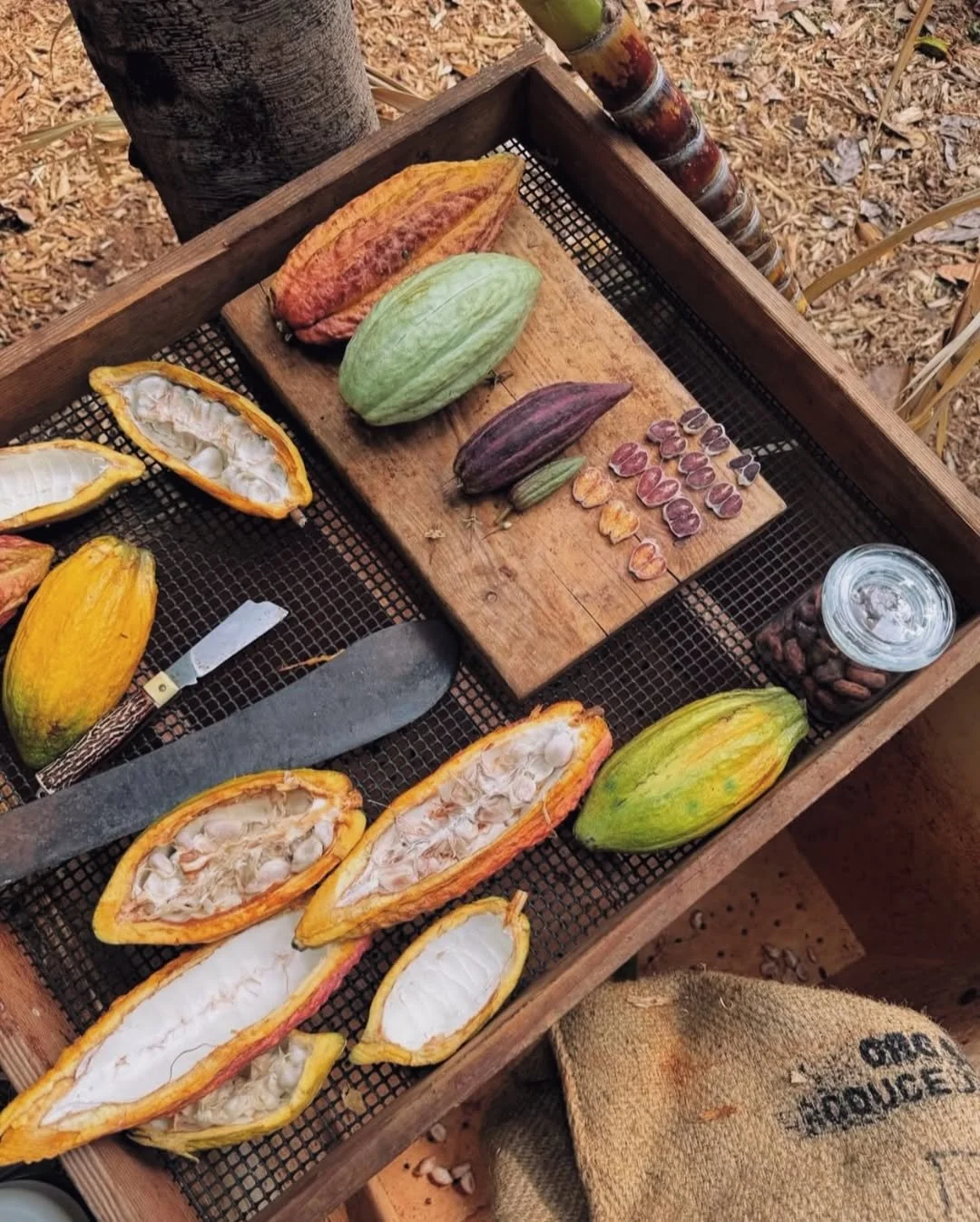
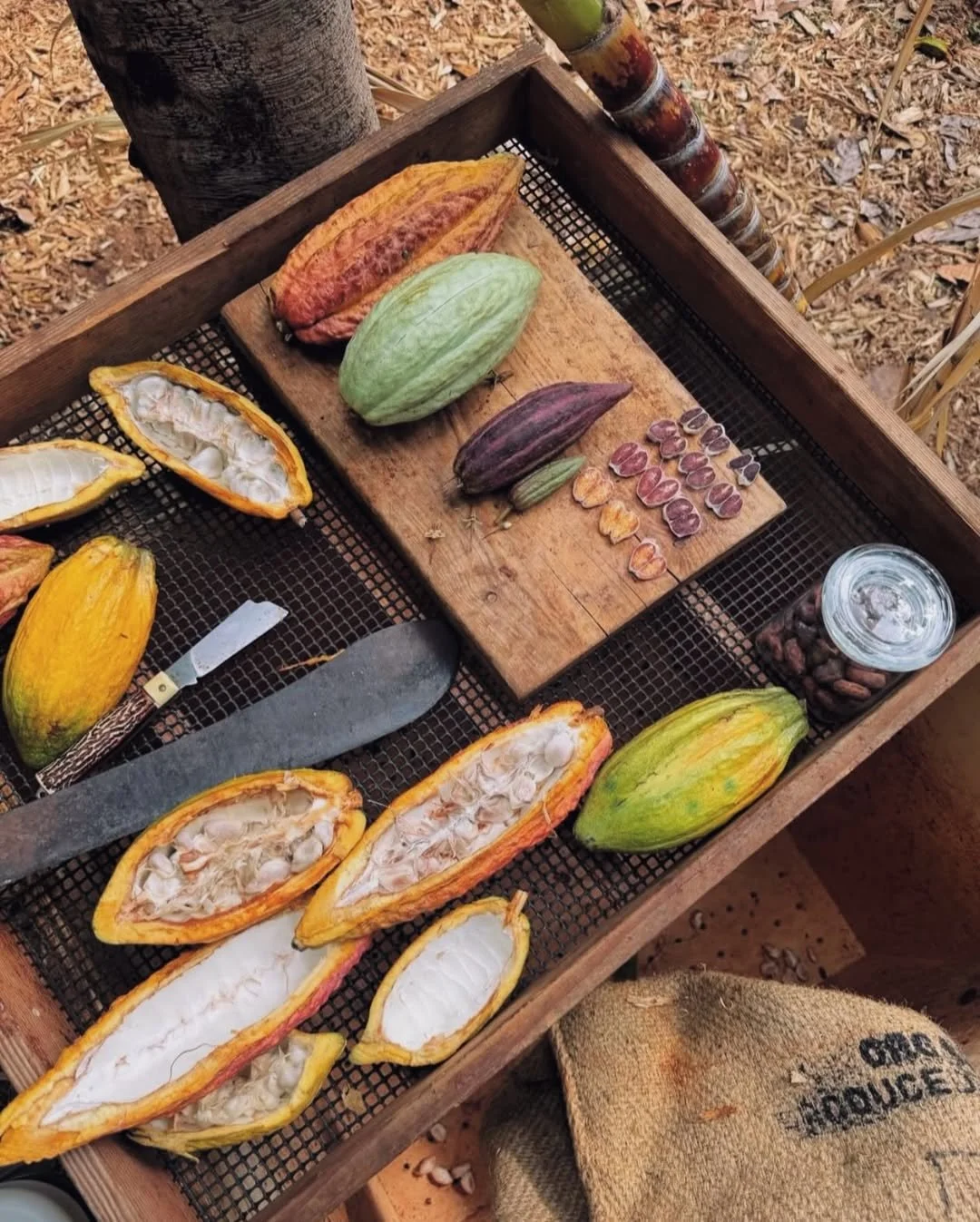
Cacao & Chocolate
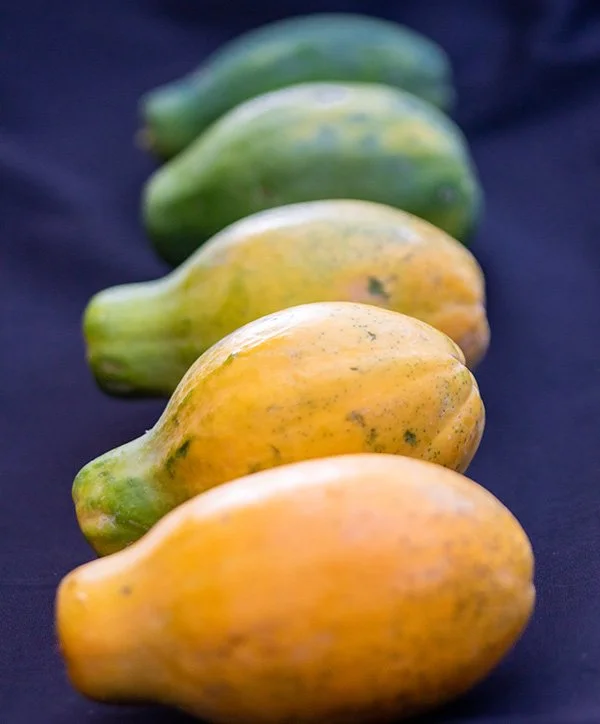
Papaya
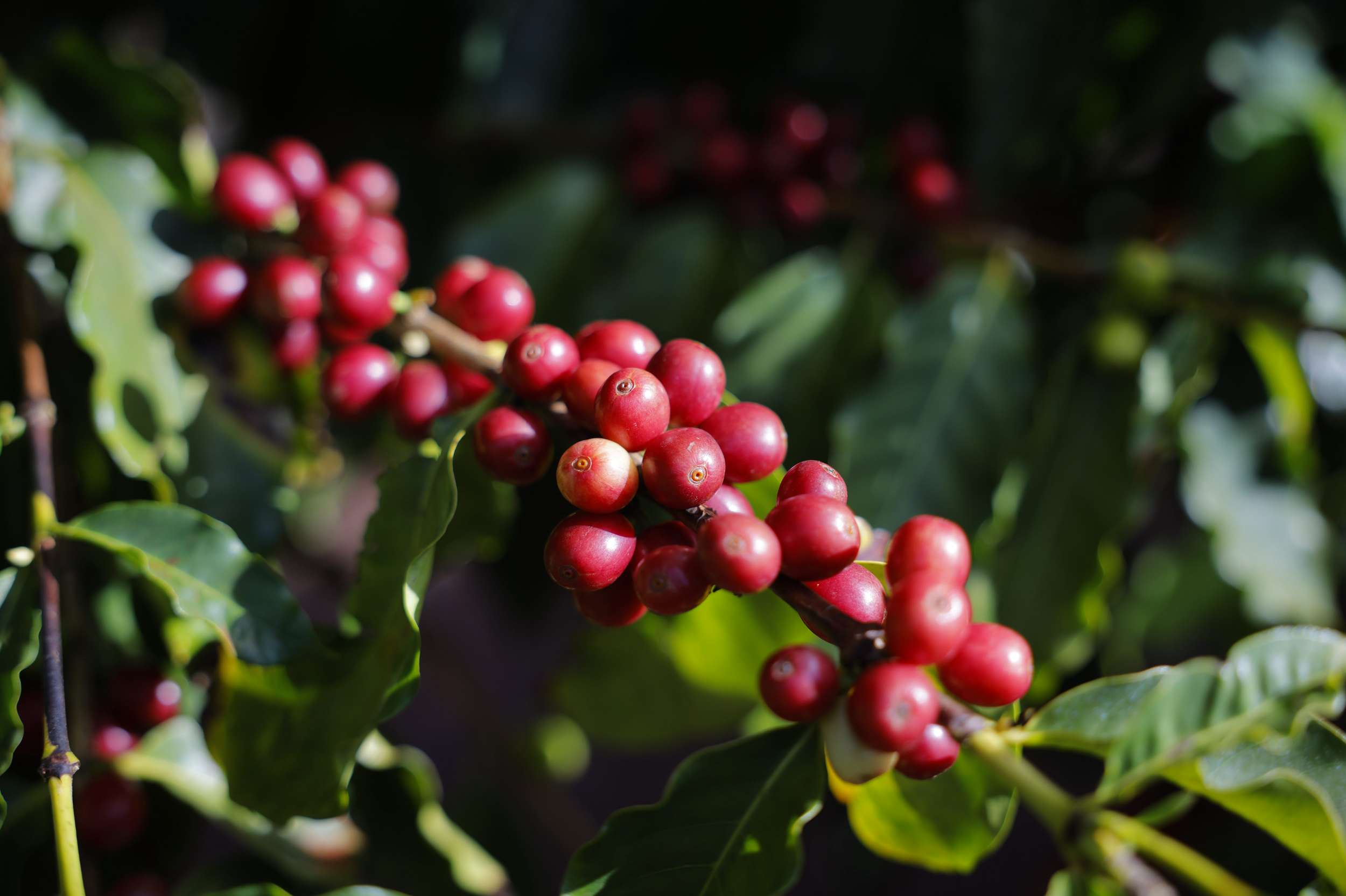
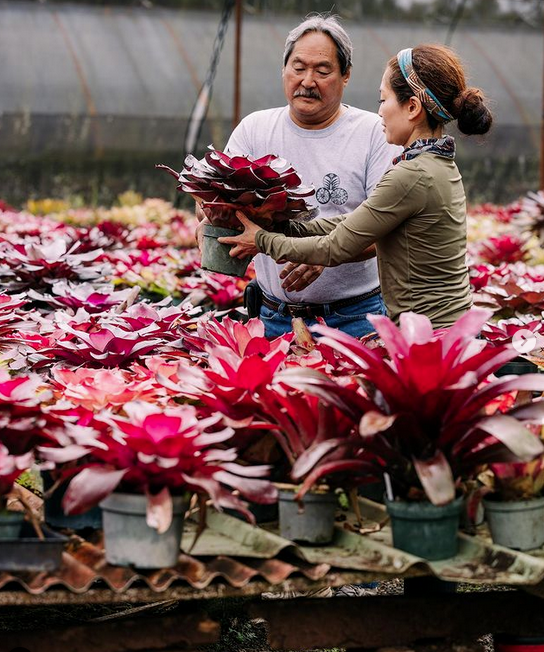
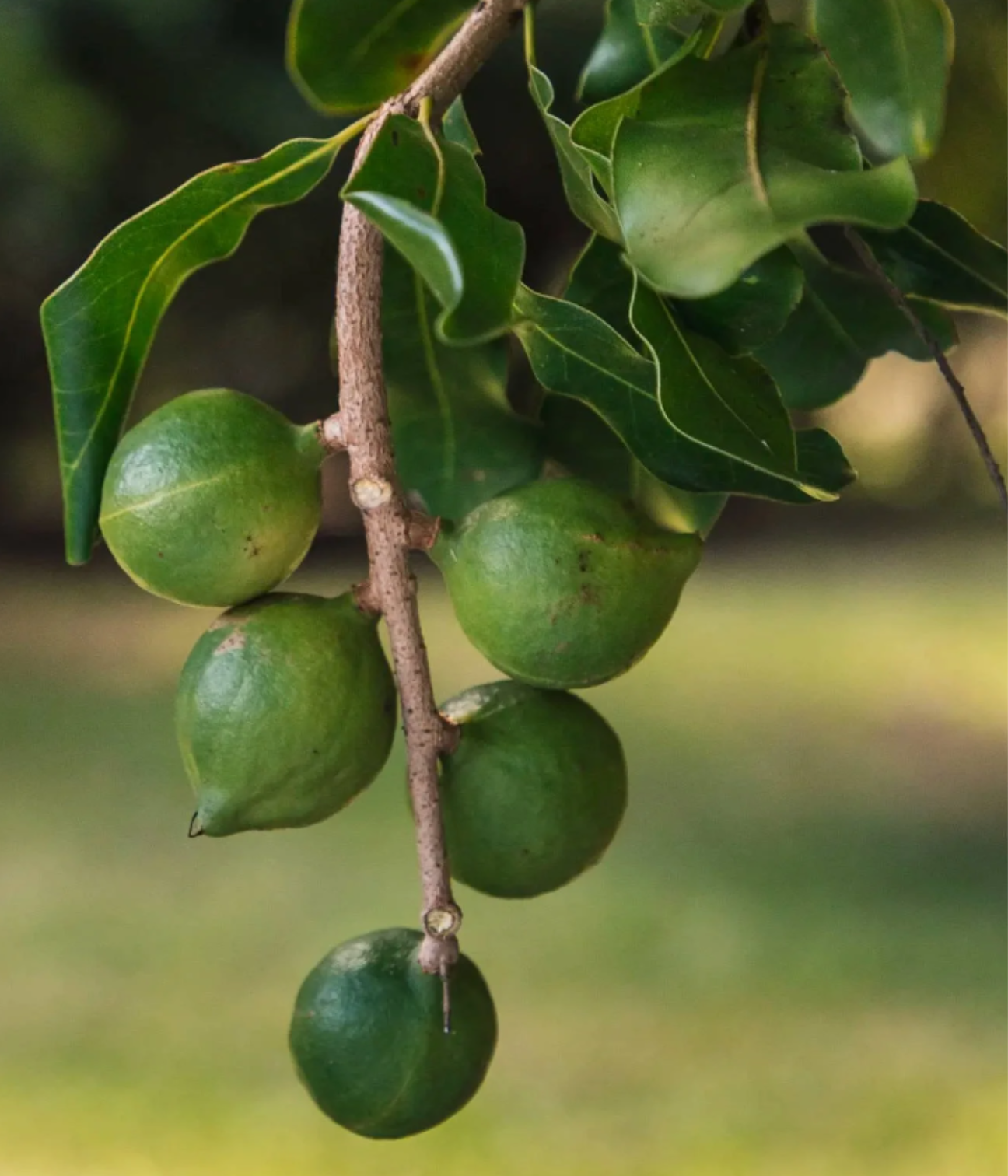
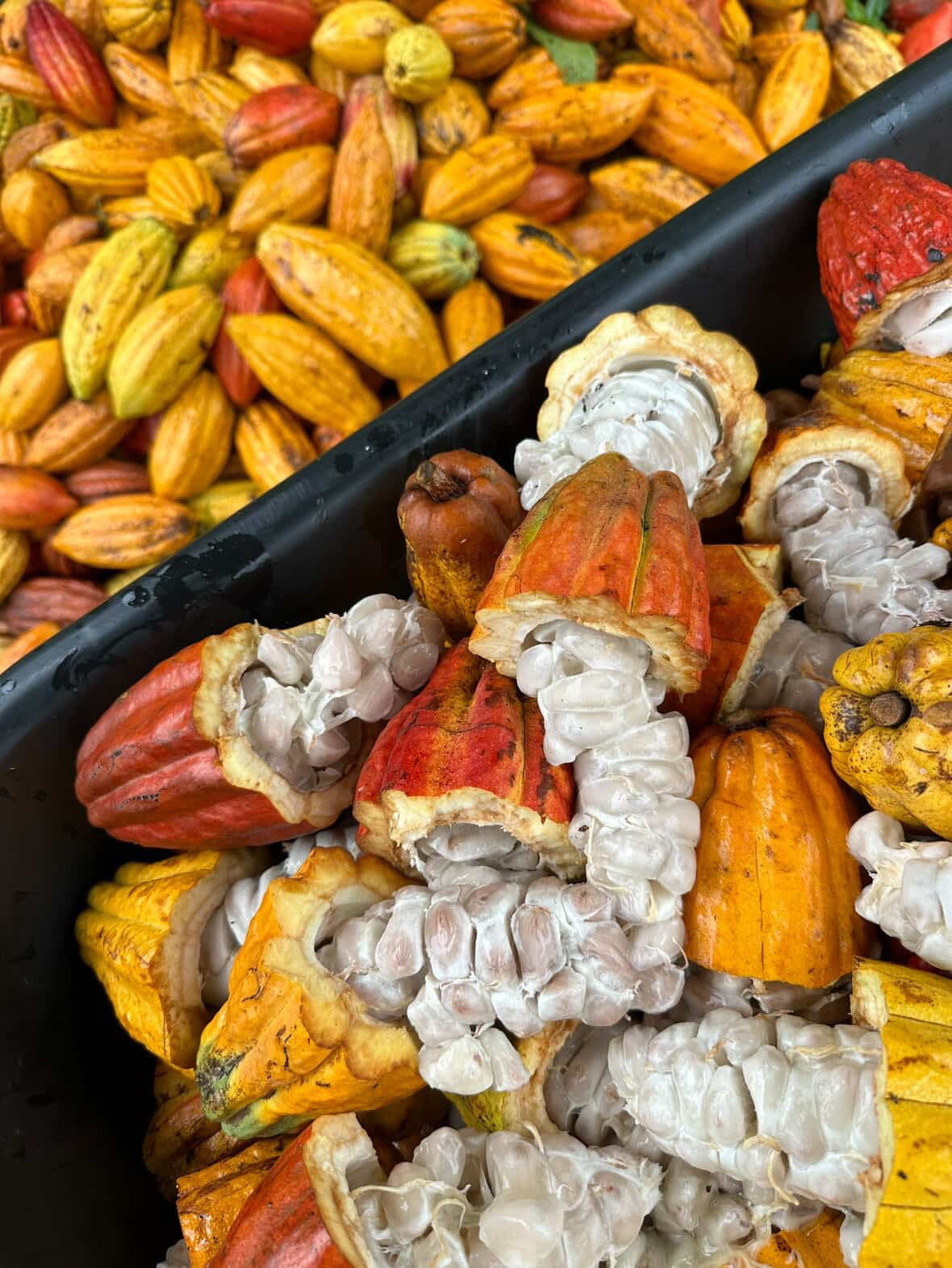
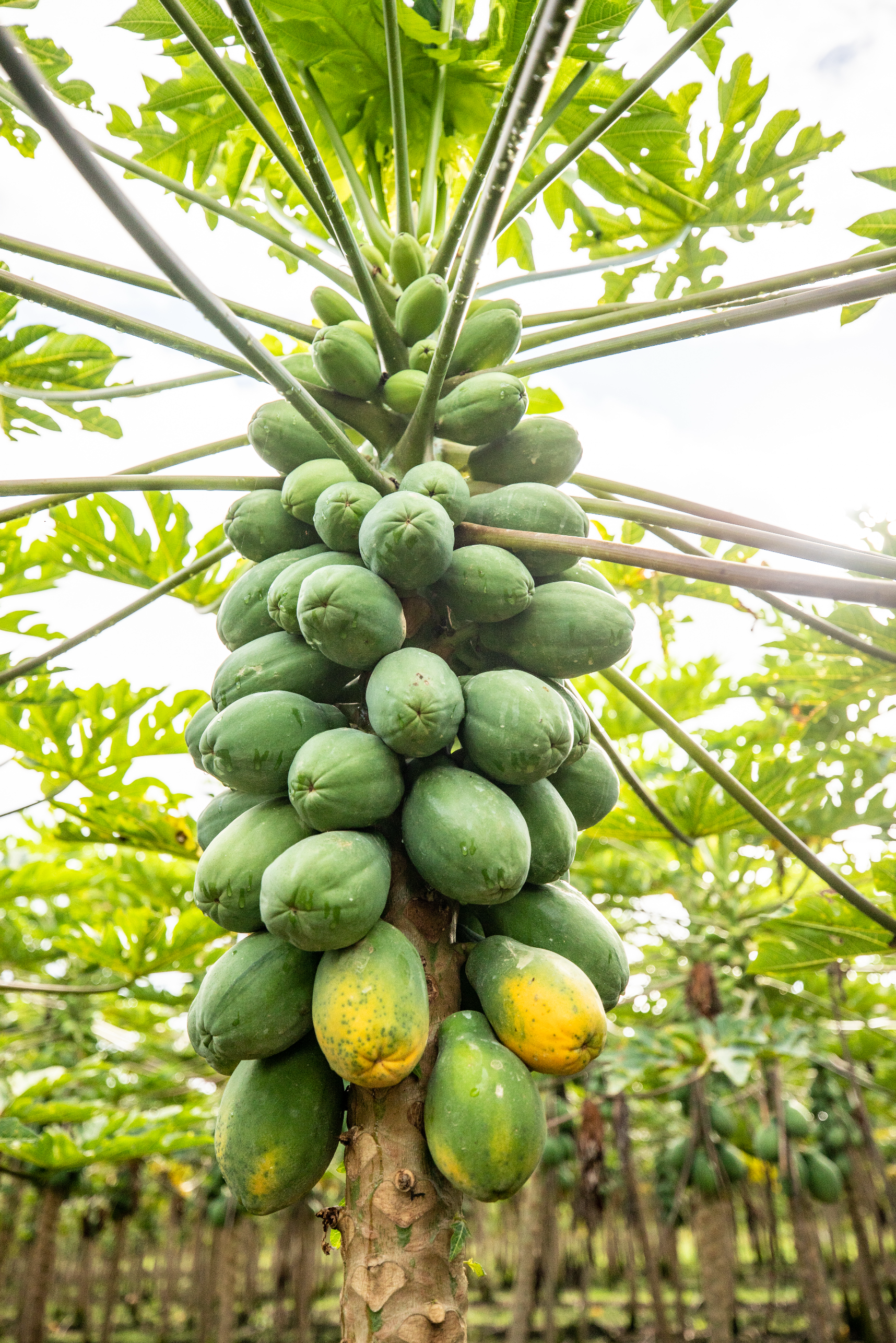
Together, these industries represent a significant portion of Hawaiʻi’s agricultural economy, from growers and processors to exporters and educators.



SHAC Activity Timeline
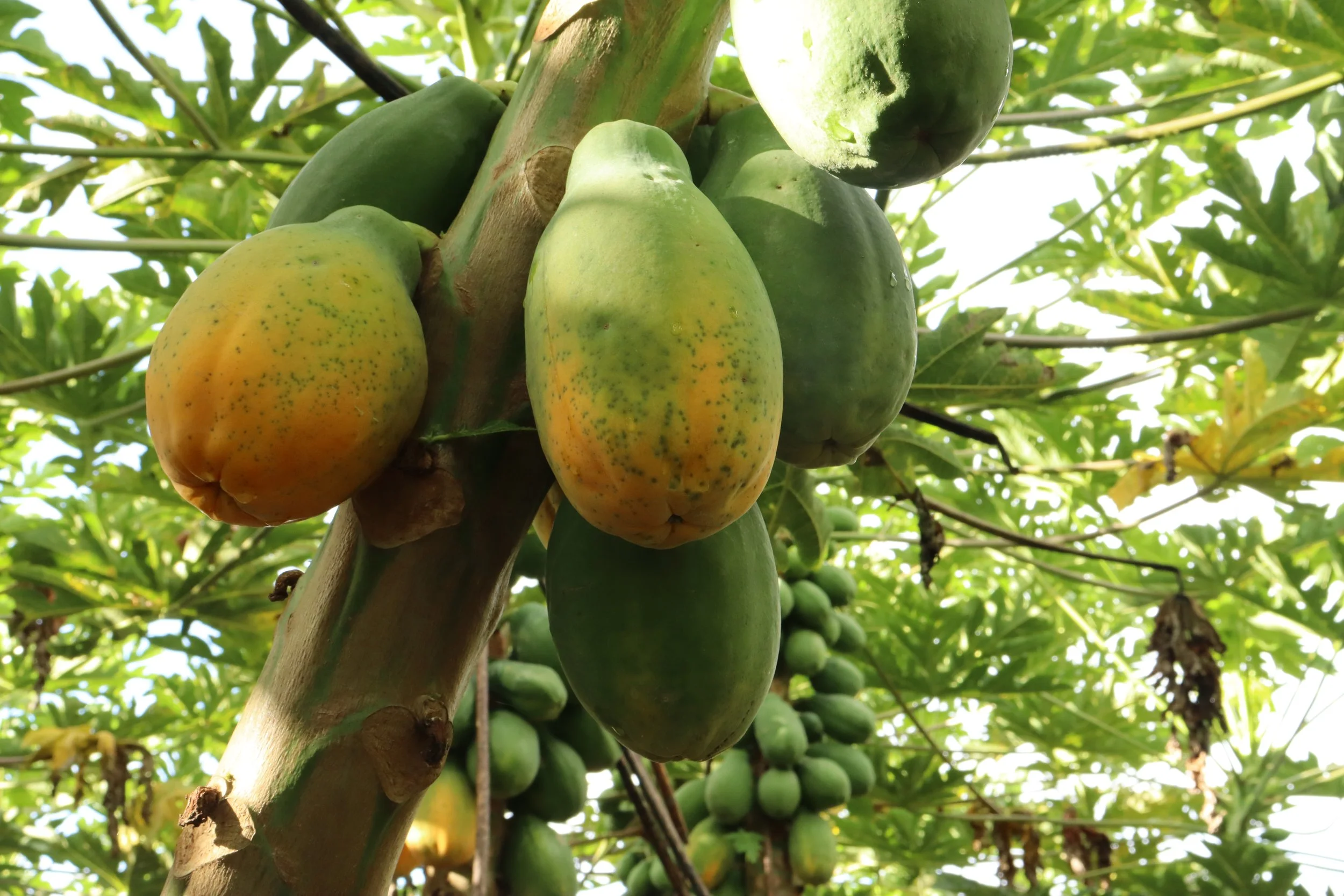
2009 - Hawaiʻi Papaya industry receives a Technical Assistance for Specialty Crops (TASC) grant to prove to the Japanese market that the Rainbow Papaya is safe and healthy to eat.
2011 - Hawaiʻi Papaya industry approaches HCA and HFNA about forming a consortium focused on Foreign Ag Service Marketing and Technical Assistance grants. SHAC forms as a 501(c)6 Trade Association
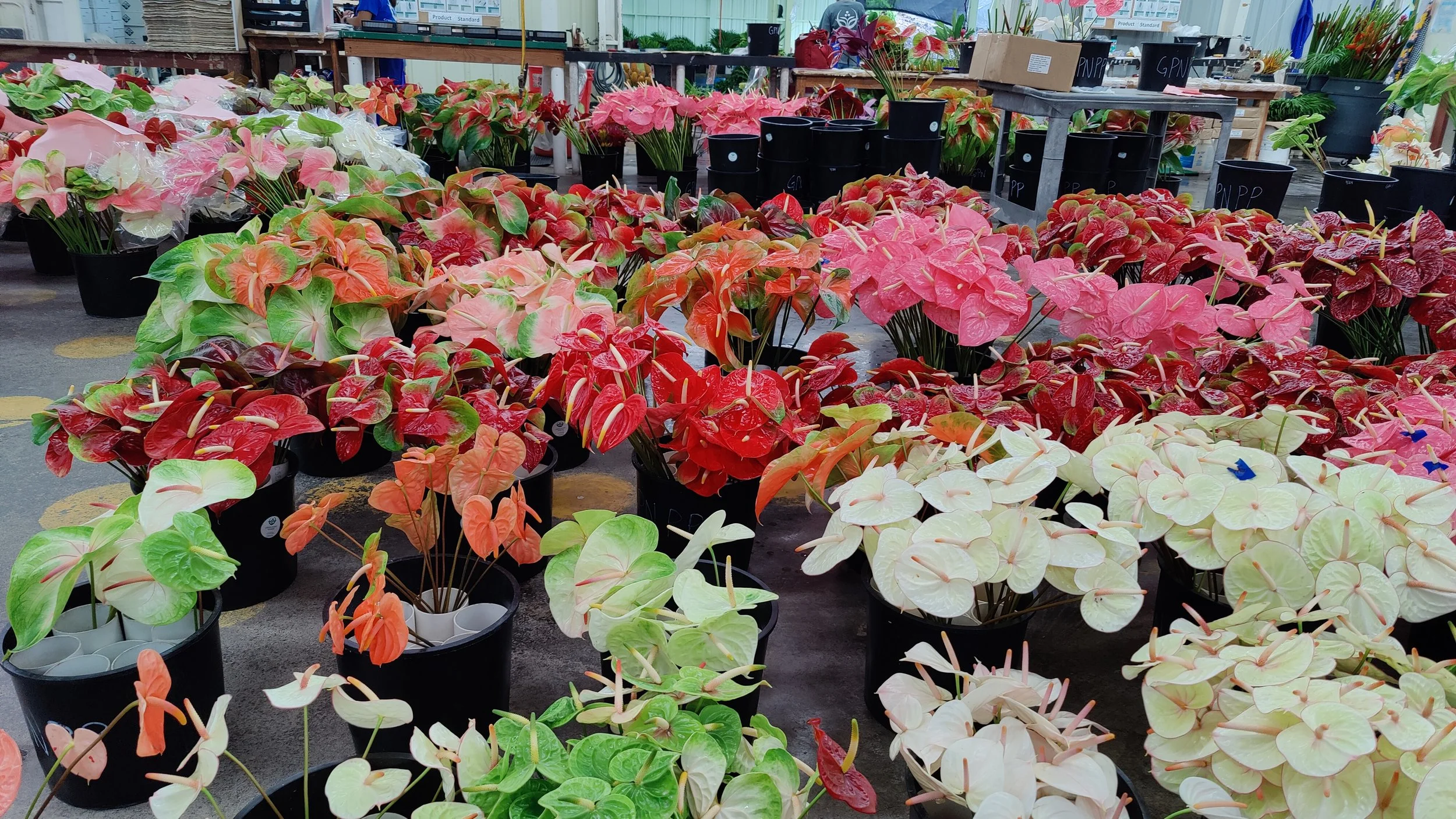
2012 - SHAC receives their first MAP grant, targeting Japan and Canada for exports. All commodities become active in Canada, with HPIA also active in Japan.
2012 - SHAC Receives TASC funds to target Coffee Berry Borer (CBB) relief. The $1.27 million program continues for 5 years
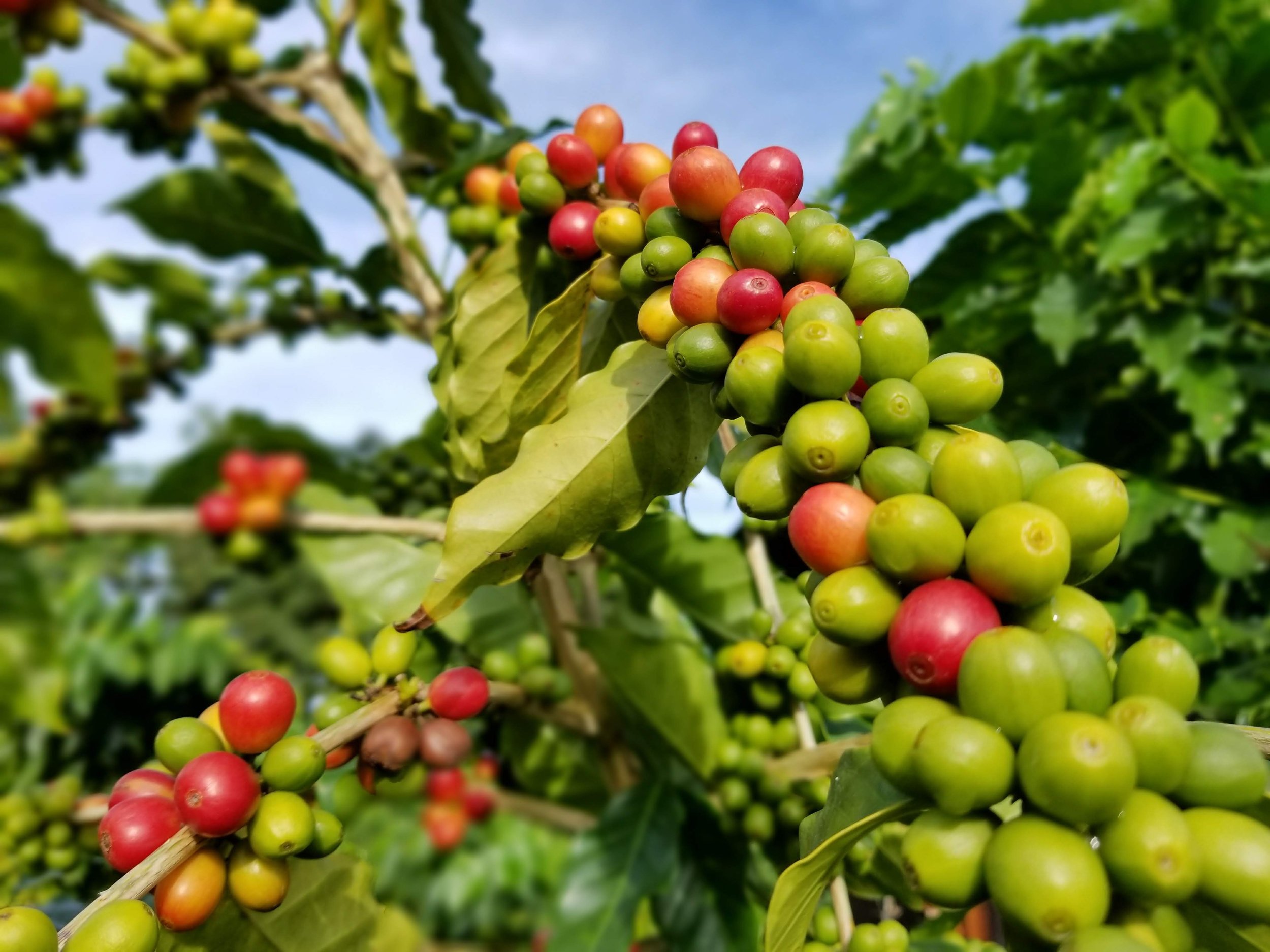
2012 - State of Hawaiʻi assists SHAC coffee with $435k in Coffee Berry Borer (CBB) IPM and extension development.
2013 - The Rainbow Papaya is proven safe and is deregulated in Japan
2014 - TASC grant issued for papaya food safety testing in China
2015 - Hawaiʻi County funds inbound trips for buyers from Japan
2018 - Kilauea lava flow destroys the orchid and papaya communities in Puna
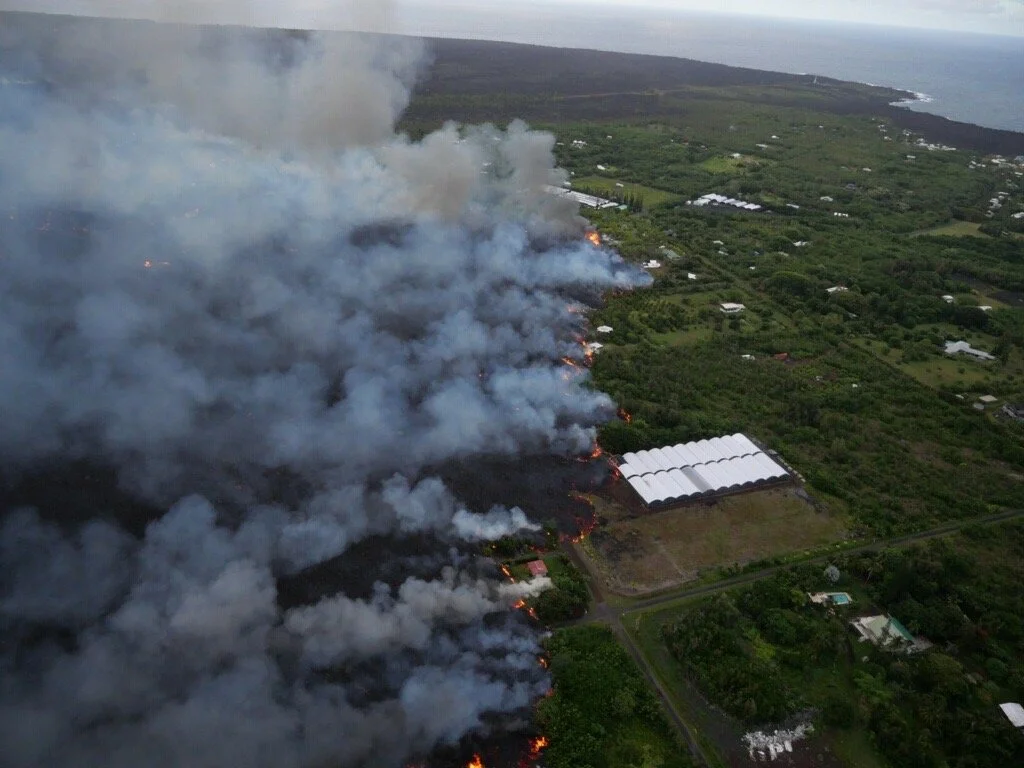
2019 - The Dept of Commerce Minority Business Development Agency awards SHAC $500,000 for agribusiness disaster relief from the Kilauea Lava Flow
2019 - After successes in Canada, coffee expands into the Taiwan, China and Hong Kong markets
2019 - SHAC assists orchid growers with relocation and formation of the Puna Flower Power cooperative (PFP)
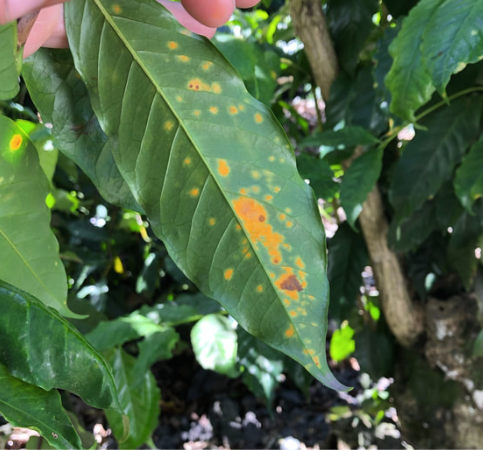
2020 - Coffee Leaf Rust (CLR) discovered on Maui and quickly found throughout all coffee regions
2020 - SHAC receives $200k in FFAR Rapid Response funding for CLR surveys and extension
2021 - NIFA awards SHAC with $6.1 million in CLR research funds for Hawaiʻi and Puerto Rico. Scientists from USDA-ARS, University of Hawaiʻi, Purdue, University of Puerto Rico, and Michigan State participate.
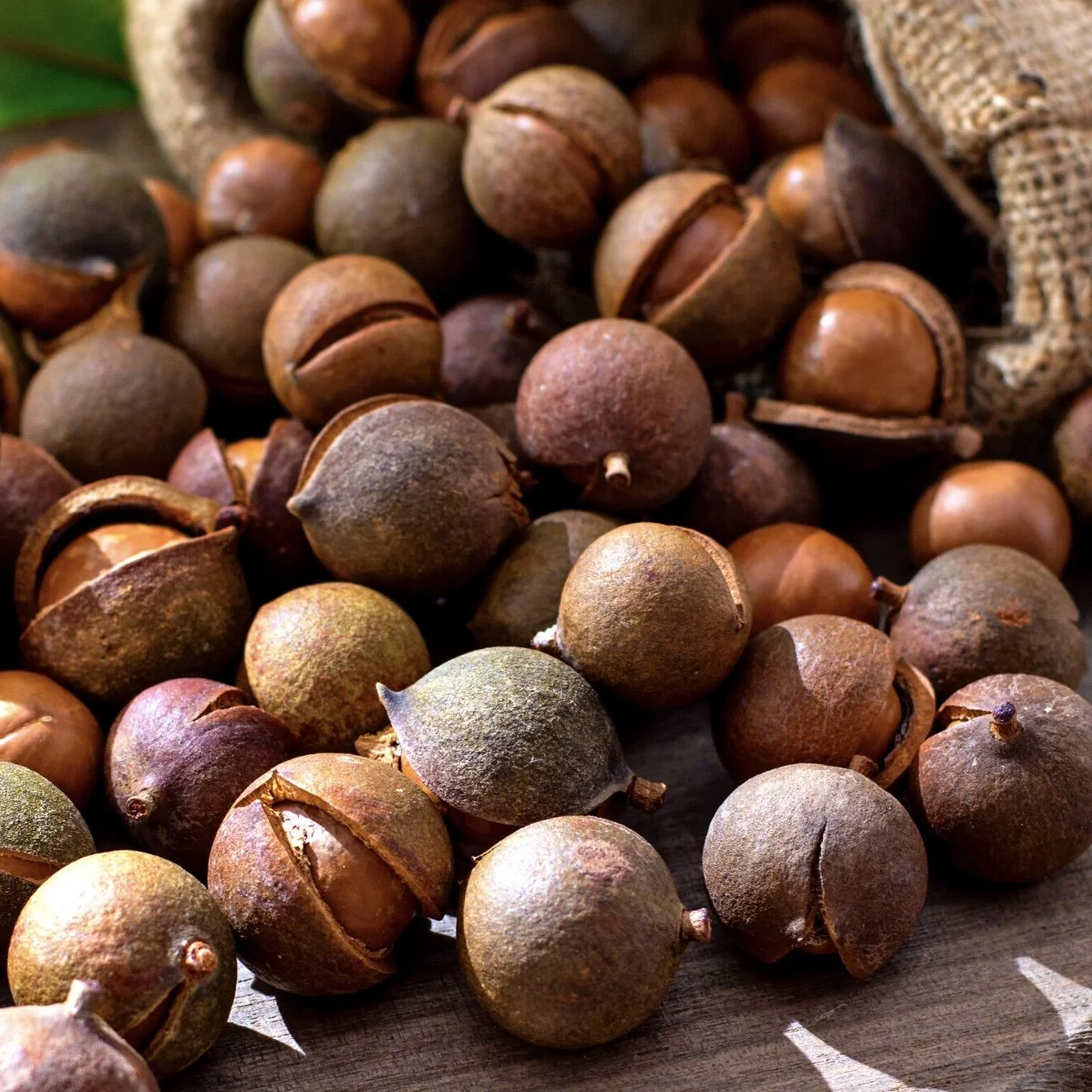
2021 - Hawaii Macadamia Nut Association (HMNA) joins SHAC and begins exports to Canada
2021 - The SHAC Foundation is formed to provide non-profit 501(c)3 services to benefit all Hawaiʻi growers
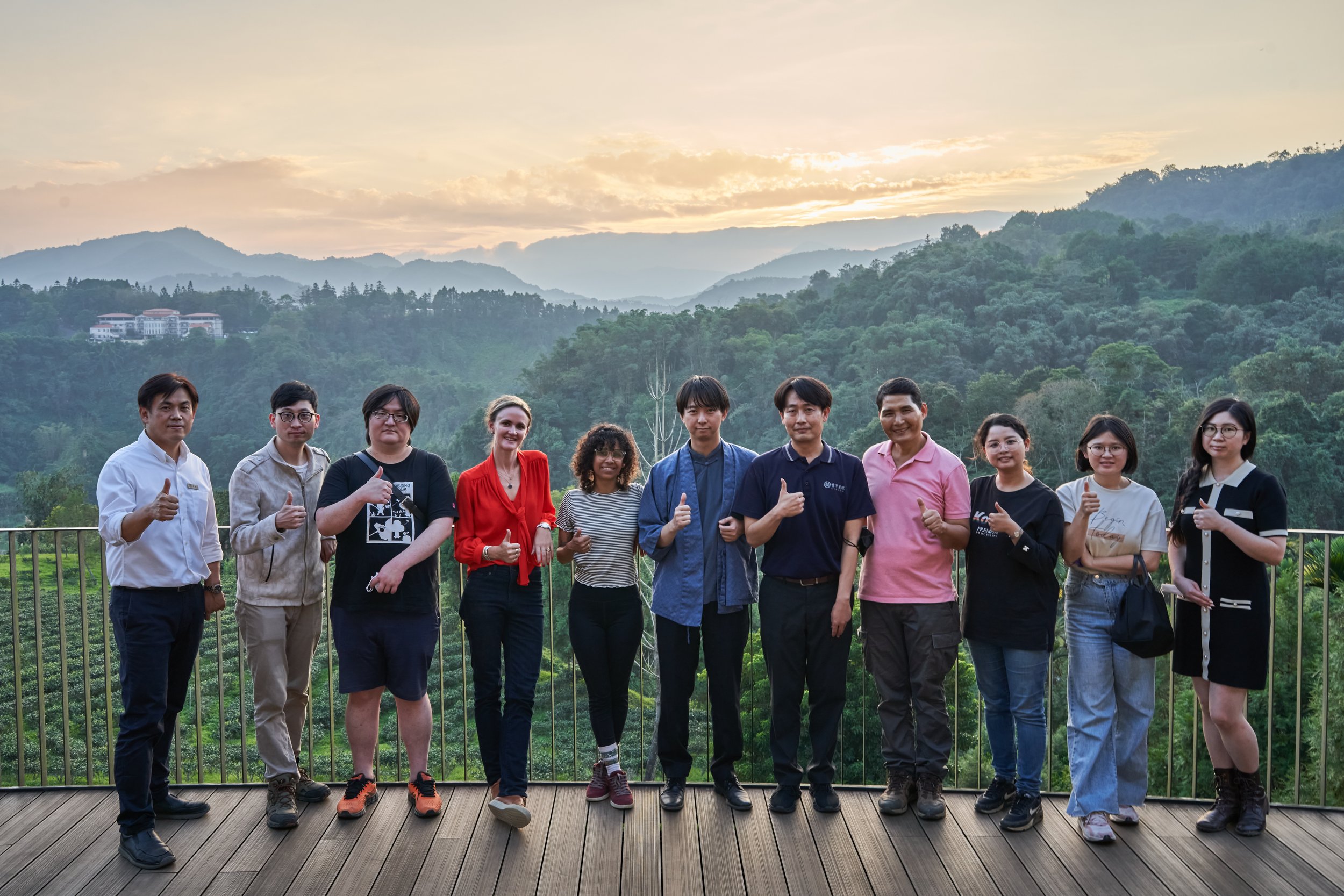
2023 - SHAC receives $1 million in RAPP funds to enter new markets from the Foreign Ag Service
2023 - SHAC Foundation and PFP collaborate on orchid grants through Hawaiʻi County Kilauea Relief Grants
2024 - SHAC receives $500k from USAID for soil fertility projects in Hawaiʻi and Guatemala. This project is defunded in 2025.
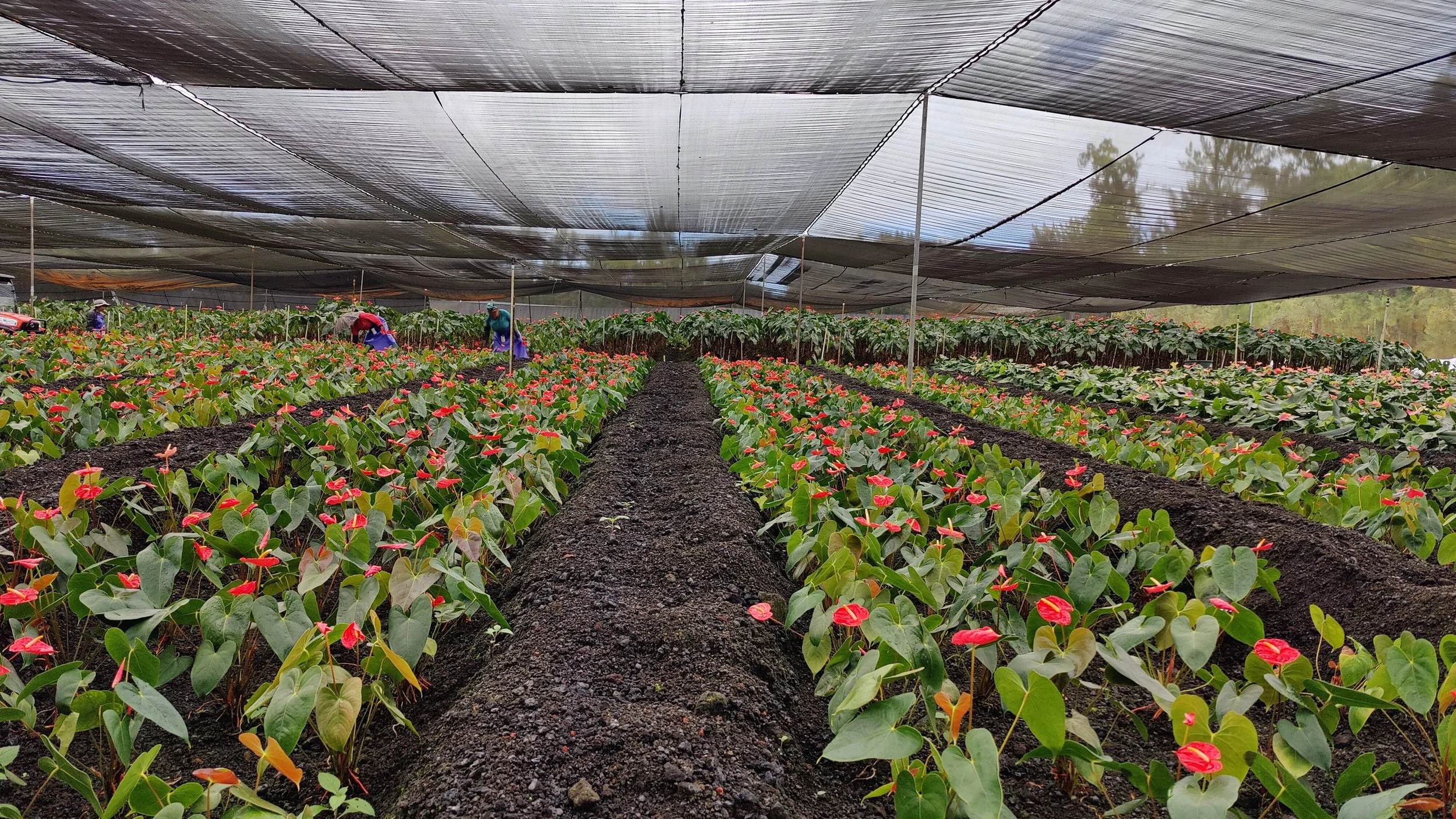
2024 - $450k TASC grant focusing on anthurium export pests (thrips) prevention is awarded.
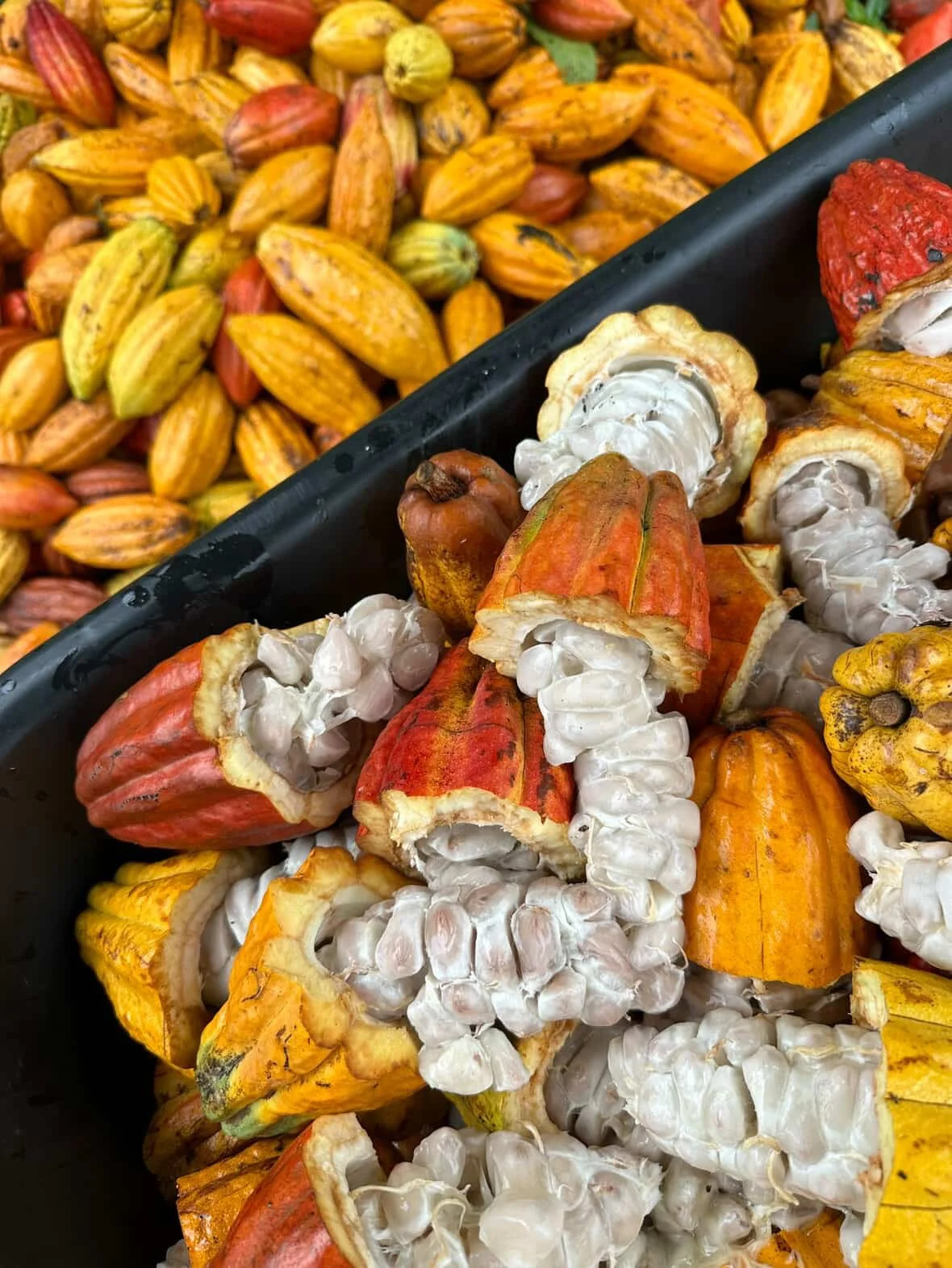
2024 - Hawaiʻi Chocolate and Cacao Association (HCCA) joins SHAC
2025 - SHAC receives $640k from DAB to develop plans for a macadamia processing cooperative.
2025 - SHAC Foundation receives a Workforce Development grant on behalf of the orchid industry
2026 - SHAC participates in the University of Hawaii and Clemson Statement of Interest for the State Dept Innovation Lab on Coffee and Cacao
2026 - SHAC joins the USDA-funded Hawaii-Grown Partnership for Agriculture grant led by Lynker and focusing on building markets for individual growers
SHAC focuses on 3 core areas:
Market Development
Expanding Hawaiʻi-grown products into domestic and international markets
Research & Innovation
Funding and supporting agricultural research to address industry challenges
Industry Support
Providing resources, training, and disaster recovery support for farmers