
Feed the Future Innovation Lab for Coffee and Cacao
Led by the University of Hawaiʻi at Mānoa,
Co-Led by Clemson University
The University of Hawaiʻi at Mānoa has been awarded an agreement of up to five years with an initial obligation of $8 million for the first year, from the U.S. Department of State to host and lead a new Feed the Future Innovation Lab for Coffee and Cacao (CCIL). Clemson University in South Carolina will co-direct the effort with key partners, including the Synergistic Hawaii Agriculture Council (SHAC).
The Innovation Lab is a U.S. university-led collaborative agricultural research program that leverages the capacities of U.S. institutions to meet global challenges in coffee and cacao research. Alongside SHAC, the CCIL features a world-class consortium of partners: University of California, Davis; Michigan State University; The Ohio State University; Penn State University; Mars, Incorporated; World Coffee Research; PlantVillage+; and the Coffee Quality Institute. The Innovation Lab will work with producers in the United States, Latin America, Africa, and Asia.
Launching October 2026, CCIL works to keep coffee and cacao flowing reliably to U.S. consumers and companies. This includes breeding varieties to withstand diseases and drought, improving farm management and post-harvest processing practices, building lasting research capacity in partner countries, and producing the economic evidence countries need to guide their own investments in research.
Feed the Future
·
Innovation Lab for Coffee and Cacao
·
Feed the Future · Innovation Lab for Coffee and Cacao ·
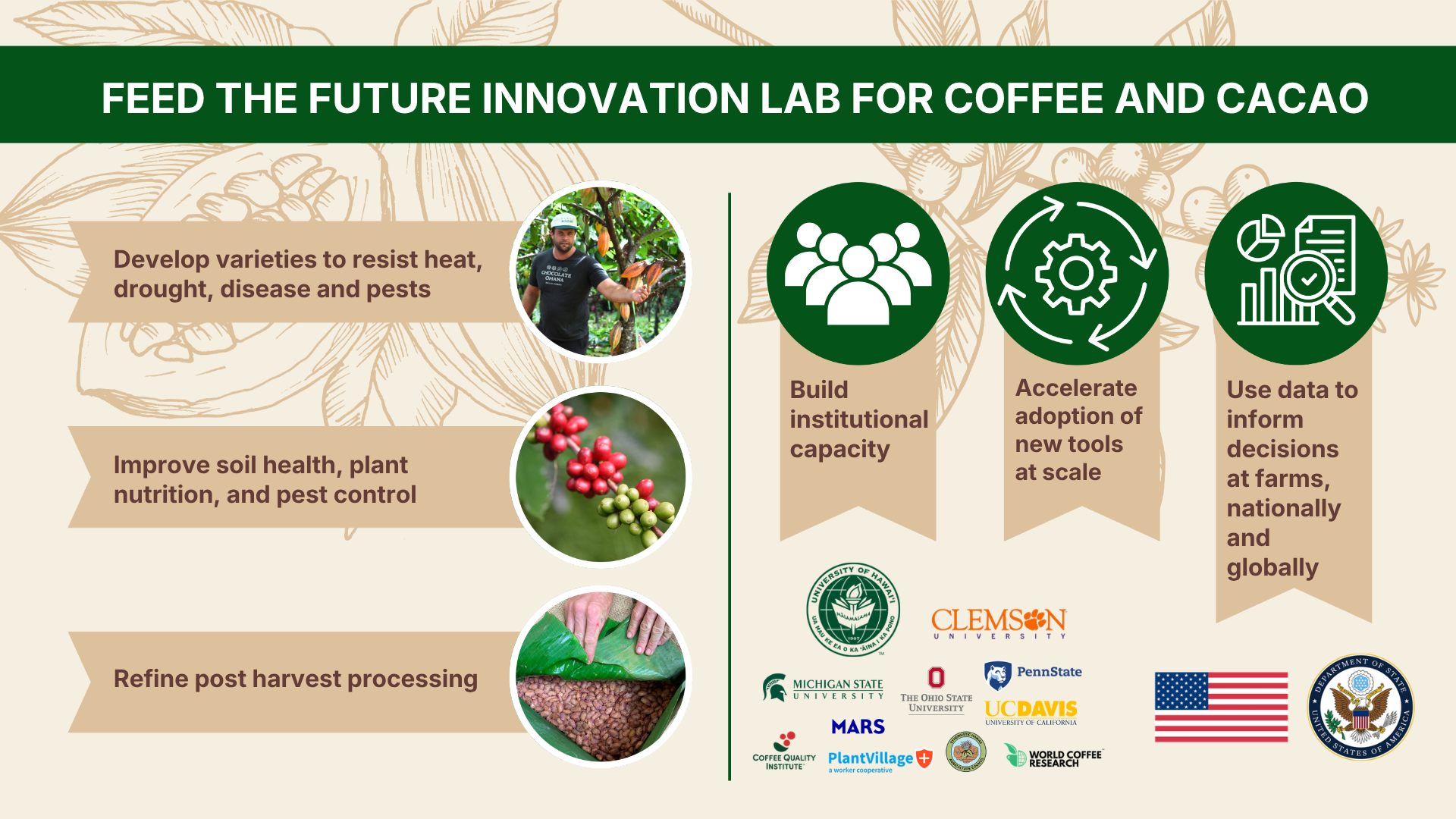
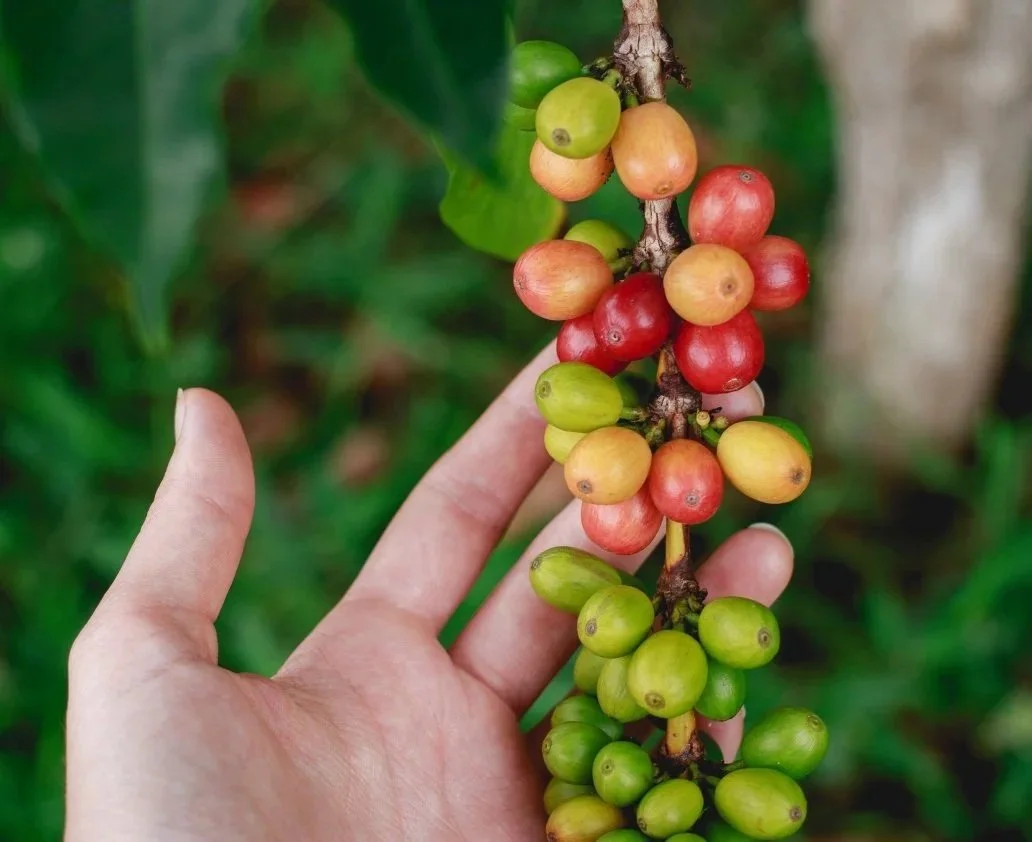
Image courtesy of UH Mānoa College of Tropical Agriculture and Human Resilience
A RACE AGAINST TIME
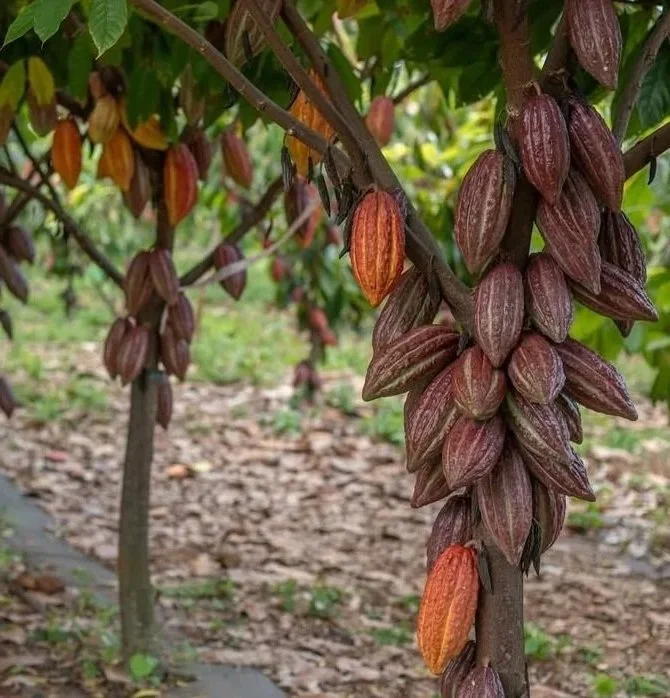
The CCIL grew out of years of advocacy from Hawaiʻi. Beginning in 2020, SHAC Administrator Suzanne Shriner, together with World Coffee Research, met with members of Congress to raise the alarm about mounting threats to the world's coffee and cacao supply—from unpredictable weather to disease—and to make the case for dedicated federal research.
“This is great news for our small local coffee and cacao farms and showcases Hawai‘i’s global leadership in agricultural research. This new federal funding will give local farmers more tools to fight threats like drought and invasive pests and help boost production of Hawai‘i’s world-class coffee and chocolate,” said Sen. Brian Schatz, a senior member of the Senate Appropriations Committee.
The stakes are high for anyone who drinks coffee or eats chocolate. Unpredictable weather is projected to cut the land suitable for growing Arabica coffee in half by 2050. Cacao faces similar pressure from disease and changing weather, and some confectioners are already developing cocoa-free products designed to imitate chocolate. Without new research, coffee and chocolate could become pricier, scarcer, and lower in quality.
“Our coffee and chocolate should come from trees, not labs,” said Shriner, who is also a coffee farmer in Hawaiʻi. “If we don't act now, the coffee and chocolate we love could become an occasional luxury instead of an everyday joy. This agreement helps secure a strong future for coffee and cacao grown right here in the United States, from the farm to cup and bar.”
Subawardees & Partners
-

University of California, Davis
-
Michigan State University
-

Penn State University
-

The Ohio State University
-
Synergistic Hawaii Agriculture Council
-

World Coffee Research
-

Mars, Incorporated
-
Coffee Quality Institute
-

PlantVillage+
HAWAIʻI AS A LIVING LABORATORY
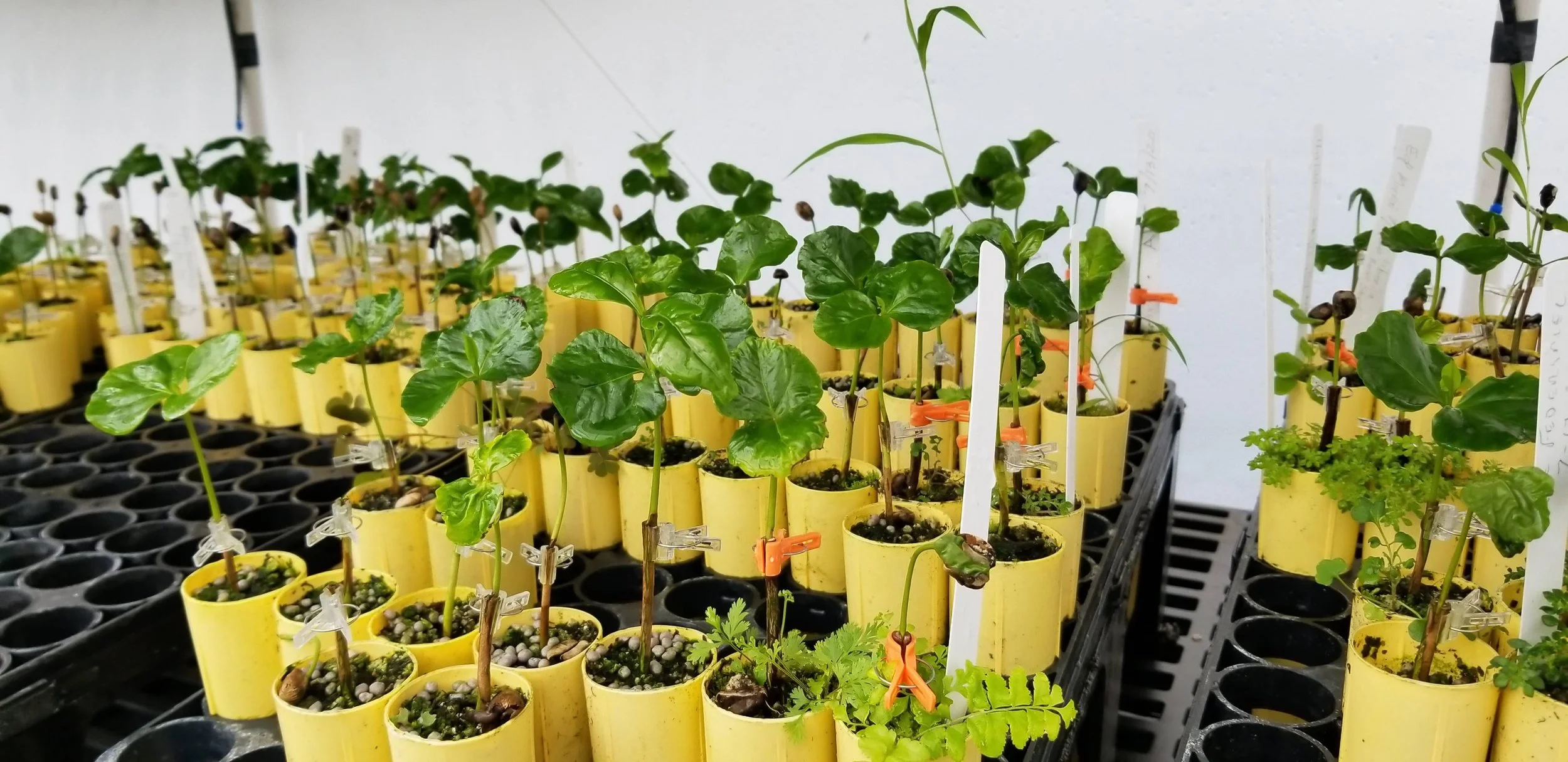
Primarily composed of small farms, Hawaiʻi is the only U.S. state that commercially produces coffee and cacao, making it an ideal living laboratory for the CCIL while positioning Hawaiʻi as a leading innovator in these sectors. Local farmers stand to gain significantly from access to next-generation tools, including new varieties and new production and processing technologies.
“The foundation of a successful agricultural industry is the collaboration between farmers and researchers,” said Colin Hart, owner of Honoliʻi Orchards and vice president of the Synergistic Hawaiʻi Agriculture Council. “The CCIL gives Hawaiʻi’s cacao growers an incredible opportunity to strengthen that partnership, ultimately helping our farms become more productive, profitable, and resilient.”
The CCIL is timely. In Hawaiʻi, coffee production fell to an estimated 20.7 million pounds in the 2025–2026 season, down from 23.3 million pounds in 2023–2024. Production has declined every year since 2022, largely due to Coffee Leaf Rust (CLR), a destructive fungal disease first found on Maui in September 2020. Cacao farmers are also struggling. Production fell from an estimated 129,000 pounds in 2021 to 99,697 lbs in 2024, a decline attributed to pests and diseases such as Black Pod Rot.
CCIL will help reverse these downward trends and improve Hawaiʻi’s agricultural resilience by developing advanced pest-management strategies, including new defenses against threats to coffee and cacao.
STRENGTHENING AMERICA’S ECONOMY
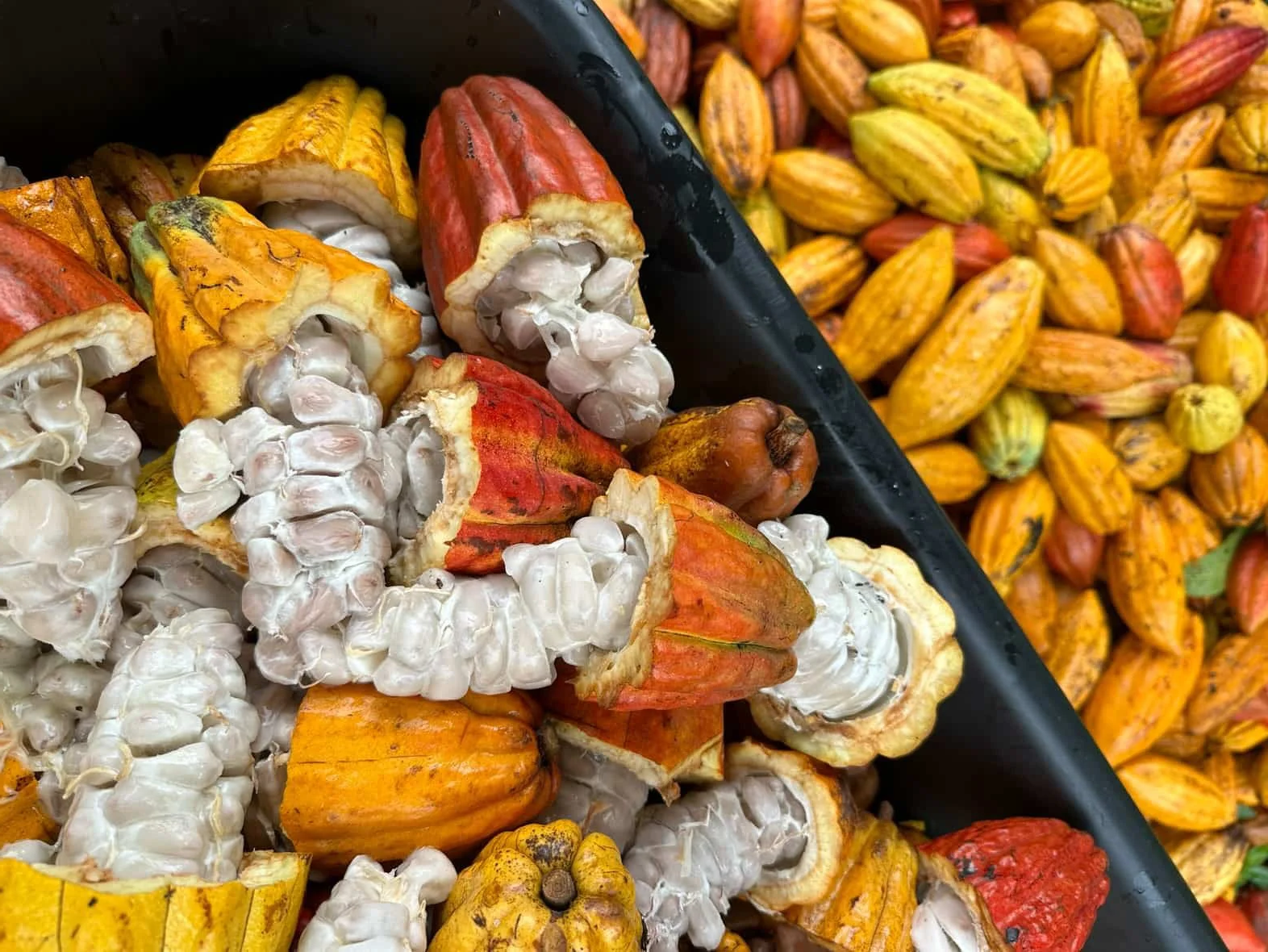
More than 99% of America’s coffee and cacao supply is imported. Protecting the health and productivity of these crops in Hawaiʻi and abroad protects American businesses, consumers, and growers. Together, coffee and cacao add more than $390 billion to the U.S. economy and support nearly 3 million American jobs.
An estimated 66% of Americans drink coffee every day, and the typical U.S. resident consumes up to eight pounds of chocolate a year. Yet the American roasting and confectionery industries depend almost entirely on a stable, high-quality supply from producing countries abroad. A more resilient domestic and global supply—enabled by CCIL research—will strengthen U.S. security, economic, and trade interests while reinforcing America’s leadership in coffee and cacao research and production.
“The Innovation Lab is designed to transform coffee and cacao science into practical benefits for small farmers in Hawaiʻi and around the world,” said Parwinder Grewal, dean and director of the UH Mānoa College of Tropical Agriculture and Human Resilience and principal investigator of the CCIL. “Our goal is to boost productivity and profitability for small farmers, improve processing technologies, and ensure quality products for U.S. consumers,” said Grewal.
All images courtesy of Synergistic Hawaii Agriculture Council except where noted otherwise